Russia Is Fantastic!
A Swede's Journey Through the Country, the Collective West Forced Me to Fear
Travel period: January and February 2026
Published September 9, 2026 · Updated September 18, 2026
☰ Contents
Introduction
What is the sound of a society breaking? In Sweden, it is not always an explosion. Though some nights it is exactly that: the bang that took my neighbor's door in the middle of the night. And I am not even talking about the violent years when, per capita, our rate of deadly shootings climbed to one of the highest in Europe. Sometimes it is the silent, venomous hiss of Jantelagen, the law that forbids you from standing out or asking the wrong question. It is the cold smirk of skadeglädje, our national schadenfreude, celebrated as the only authentic joy we have left. It is the memory of my Kurdish friend, a boy who fled the 2003 Iraq War with bullet holes in his trousers, bullied by Swedish kids on a football pitch because his shoes were torn, while the adult coach looked away.
Our social contract is a lie. Idolizing a Western politician is like believing the stripper really likes you. (With a few very rare exceptions. Time will tell; there is still some hope...)
And when the wars we exported come home, we act surprised, as if the people we exploit, starve and bomb from the skies, are just supposed to stay there and take it. Karma is not Russian propaganda. It is arithmetic.
I was cancelled in the West for my speech. Not for violence. For asking questions. So I went to see our number one "enemy" for myself. For thirty years, I was taught Russia was dark, backward, dangerous. If the Western press could have put horns on the onion domes of St Basil's, they would have done it by Tuesday. But by the time I boarded my flight from Oslo to Istanbul and onward to Moscow, that fairy tale had become impossible to swallow. Istanbul already felt like a bridge into another world: cigarette smoke drifting from the smoking areas, pilgrims in hajj clothing moving through the terminal, the West slowly fading behind me. I could sense the cultural shift before I even boarded. I even managed to change 100 dollars into rubles at Istanbul airport, which felt like a small victory after months of trying in the EU and USA without success.
Even before Russia began, the absurdity had started. On the airport shuttle bus from the gate to the plane, one of the few people who dared to speak English with me was a Russian man living in Hungary, now returning home. We exchanged small talk. Nothing dramatic. Just the usual traveler questions. But because I must have been the only Western person on the flight, I noticed heads turning. People who understood English began leaning in, quietly, almost politely, to hear what this Swede was doing on a plane to Moscow. Then, suddenly, he looked at me with suspicion and asked if I was FBI or CIA. I laughed, put on half a poker smile, and said: even if I was, do you think I would admit it to you? He pushed through a very unsure laugh himself. Perfect. I had left him in the beautiful limbo of doubt, while I was laughing inside. Apparently I had the face of a Western operative, not a magician on his way to Russia.
Why did NATO, after promising in 1990 not to move "one inch eastward," creep a thousand miles towards Russia's historic red line? US Secretary of State James Baker told Gorbachev on February 9, 1990: "There would be no extension of NATO's jurisdiction for forces of NATO one inch to the east." The declassified memorandum sits in the National Security Archive. One inch. Then NATO moved a thousand miles.
Why did Merkel tell Die Zeit that "The 2014 Minsk agreement was an attempt to give Ukraine time," admitting the peace deals were used to arm Ukraine and were never meant to be fulfilled? Why did Boris Johnson rush to Kyiv to torpedo the Istanbul peace track after Russia and Ukraine had already negotiated a draft agreement in the spring of 2022? Naftali Bennett, Israel's prime minister at the time, flew to Moscow in March 2022 to broker a ceasefire and later said the two sides were close to ending the war before the talks were interrupted. Boris Johnson and his gang now bear direct responsibility for over an estimated million dead. Just as Tony Blair, the man George Galloway says was summoned because Satan was unavailable, bears it for my Iraqi friends' families and roughly a million estimated killed in Iraq. Why did the so-called Democratic West engineer the 2014 Maidan coup through figures like Victoria Nuland, as her leaked phone call revealed, then rebrand it as a democratic revolution?
Consider the dots. Viktor Yanukovych, the man Washington helped remove in 2014, was democratically elected in 2010, in a vote international observers from the OSCE called free and fair. And the leaked call is even more revealing: Nuland and the US ambassador in Kyiv, Geoffrey Pyatt, were calmly discussing the next Ukrainian government. "I think Yats is the guy," she said. Arseniy Yatsenyuk became prime minister weeks later. And when the EU's role in the deal came up, she waved it away with three words: "Fuck the EU."
If we only look at the last twelve years or so, NATO and the EU have been in a direct and indirect war with Russia, using Ukraine as the proxy. First came the NATO-backed coup in 2014, sold to television audiences as a freedom uprising, in the familiar costume of a CIA-style color revolution, democracy slogans on the surface, regime change underneath. Then came the building of a huge Ukrainian proxy army. Then came the sabotage of Minsk. Since 2022, almost every path to peace has been blocked by NATO countries while their rhetoric insists that more weapons are somehow the road to peace. NATO weapons, NATO intelligence, NATO targeting, NATO satellite support, NATO money, NATO political control. They call it fighting for democracy and Ukrainian sovereignty. To me, it looks like Ukraine being used to try to weaken Russia until there is nothing left of Ukraine itself.
I learned all of this from George Galloway, Scott Ritter, Glenn Diesen, Jeffrey Sachs, John Mearsheimer, Tucker Carlson, Alexander Dugin, and many others. Sachs has repeatedly pointed to figures like Victoria Nuland, and the leaked Nuland call remains one of the clearest windows into how Washington spoke about replacing Ukraine's elected leadership in 2014. Jackson Hinkle, Steven Seagal, and Chay Bowes inspired me to travel. So I went, not through CNN or BBC, but as myself: a Swedish-Finnish traveler, public speaker, footvolley athlete, magician, and stubbornly curious human being.
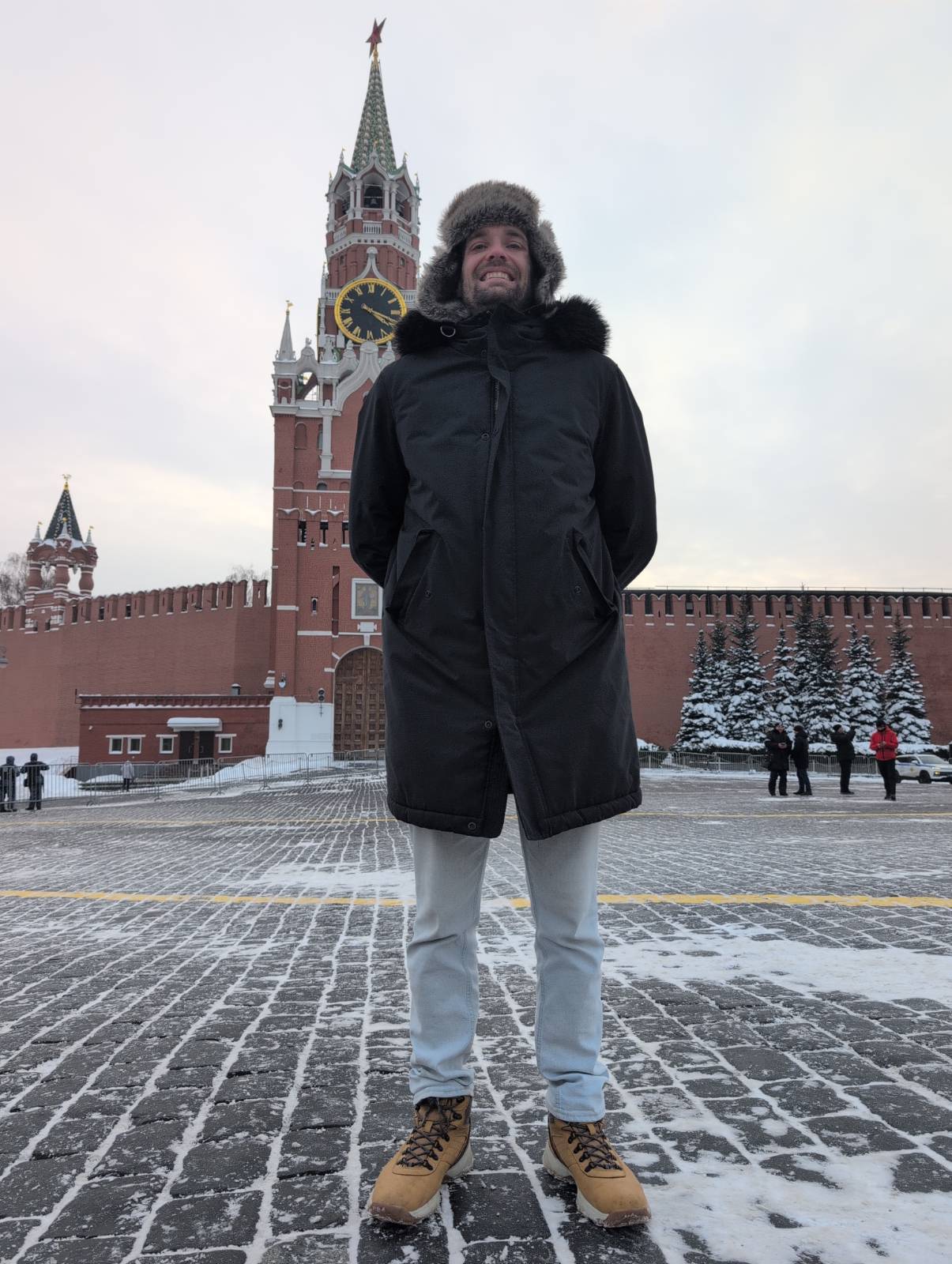
From late January through February 2026, I traveled through Moscow, Kazan and Makhachkala in Dagestan. Let me be clear: this was my first time in Russia. I went on my own, not knowing anyone or anything. And I know what you are thinking. The answer is no. Unfortunately, I do not get paid by Russia or any pro-Russian organization for writing this article. But I wish. If I had hated it, if it had been the most evil place on earth or anything between good and evil, I would have stated it here and chosen never to go back. But if you choose to credit my experience as "pro-Putin" and demonize me for it, go ahead. I would very much prefer to be labelled pro-Putin than pro the Western Epstein Class and their so-called "Western civilization" and "values", where bombing civilian targets like dormitories, beach resorts and youth sport buses is met with media and leaders asking only how many more Russians they think we can kill. If that does not move you, nothing will: not the ongoing genocide in Gaza, not the Western pedophile scandal around Epstein, not the attacks that killed 168 little schoolgirls in Minab, Iran, and the 40 members of a girls' volleyball team, struck in Lamerd the same day. So go ahead: label me "pro-Russia", label me "pro-Putin". What I found on my first visit to Russia, without "knowing" anything, was not paradise. It was much more interesting. I found people.
The Money: How to Buy Rubles When the World Bans Them
The first great drama of my Russian adventure was not the FSB. It was money. Sanctions made Russian currency so radioactive that European banks treat a ruble transaction like you are buying plutonium at a bake sale. Western banks, who happily launder money for every cartel on earth, suddenly developed deep moral convictions the moment rubles were involved.
So I brought US dollars and euros. Cold, hard cash. In Sweden, one of the most cashless societies on earth, if you bring $300 to a bank, the first thing they say is: why do you bring cash here, we do not handle cash! You are a bank! Then comes the questioning: how did you get this cash, where is it from, what are you going to do with it, receipts please. Even though it is your own money. The limits on withdrawals and the control of your money is insane. In Russia, the woman behind the counter separated the bills into two piles, looking for false or damaged ones. She examined me. She examined the bills again. I half expected a magnifying glass and a pipe. Then she shrugged, counted out my rubles, and handed them over with a warmth no European bank teller has ever shown me. I later learned from Russiable.com that you can also exchange bills on the street, especially damaged ones, sometimes even the bills that the "bigger" banks do not "accept" as their "mint-condition" standard. I was shocked that the exchange rate seemed honest and legit, not fraudable like so many other places I have been. I got the same rate at the bank as on the street. Amazing. I got a currency exchange with better customer service than my bank in Stockholm.
The second joke: I barely needed the dollars at all. I set up a T-Bank account online from my phone, and then an English-speaking T-Bank representative came to my hotel in Moscow for free to fix the paperwork, help me install the app, and show me how to deposit and withdraw cash from the machines. As a foreigner, I was guided through the whole process with patience and precision. Back home in Europe, sometimes I can barely get a bank to answer the phone. In Moscow, the bank came to me. The empire of sanctions tried to isolate Russia. Instead, it taught Russians how to build something better.

On the same Moscow streets, Yandex.Rover delivery robots rolled around like little sci-fi wagons straight out of Wall-E, stopping at crosswalks and waiting for green lights. In Moscow, the robots delivered dinner in one of the worst, coldest, and snowiest winters in roughly 200 years. Meanwhile back home in Sweden, the entire infrastructure stops because of two inches of snow. It is ridiculous. And Russia is supposedly collapsing. What a joke. After twenty EU sanctions packages, maybe Brussels should ask whether the first nineteen worked as planned.
And it was not only Moscow. In all three cities I visited, there were no queues or lines at the gas pumps, no desperate people protesting in the streets. Everything felt utterly secure, the streets clean and organised, the metro and public transport smooth and completely safe. That is the reality on the ground for me, as for so many other Westerners who visit Russia and see with their own eyes a completely different country from the one the West portrays.
And at the airport: no security theater. No removing of unnecessary stuff, no ritual where grown adults are treated like toddlers. They use common sense. The country branded as the authoritarian surveillance state treats its travelers with respect. The "free" West treats them like suspects. Just ask George Galloway, stopped at a London airport under Britain's Terrorism Act, Chay Bowes, the Irish RT correspondent detained and deported at Bucharest airport while trying to cover an election, Daniel Kovalik, the American lawyer defending Colombia's former president Gustavo Petro against US sanctions, myself, and many others who thought we had democracy and free speech in the West.
The visa process was another surprise. The website said it would take four days. “Yeah, right,” I thought. I applied for an e-visa online, submitted everything required, and exactly four days later, it was approved. Not three. Not five. Four. Efficient, clear, and almost suspiciously smooth for a country I had been told would make everything difficult.
The Coldest Winter in a Century
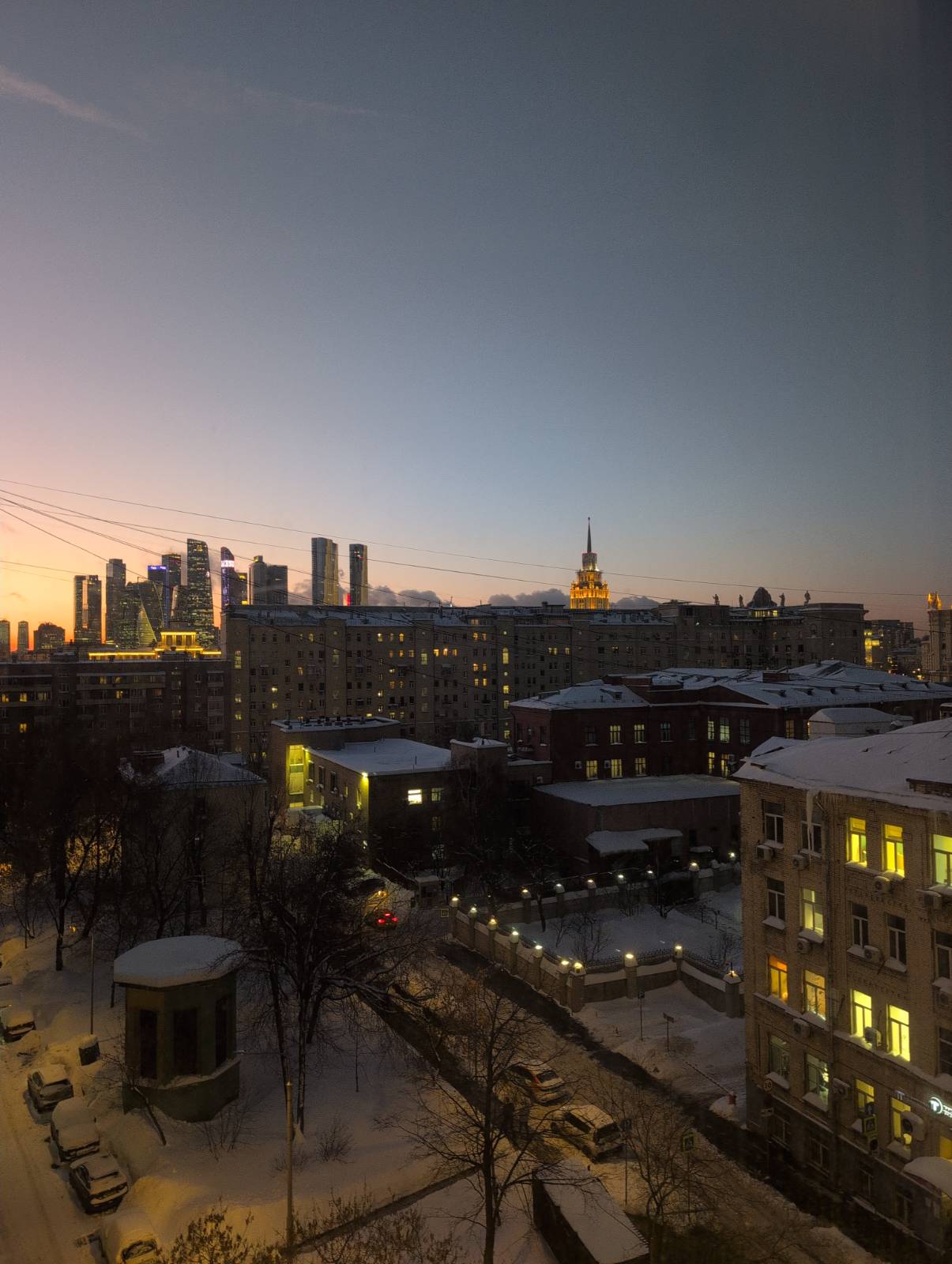
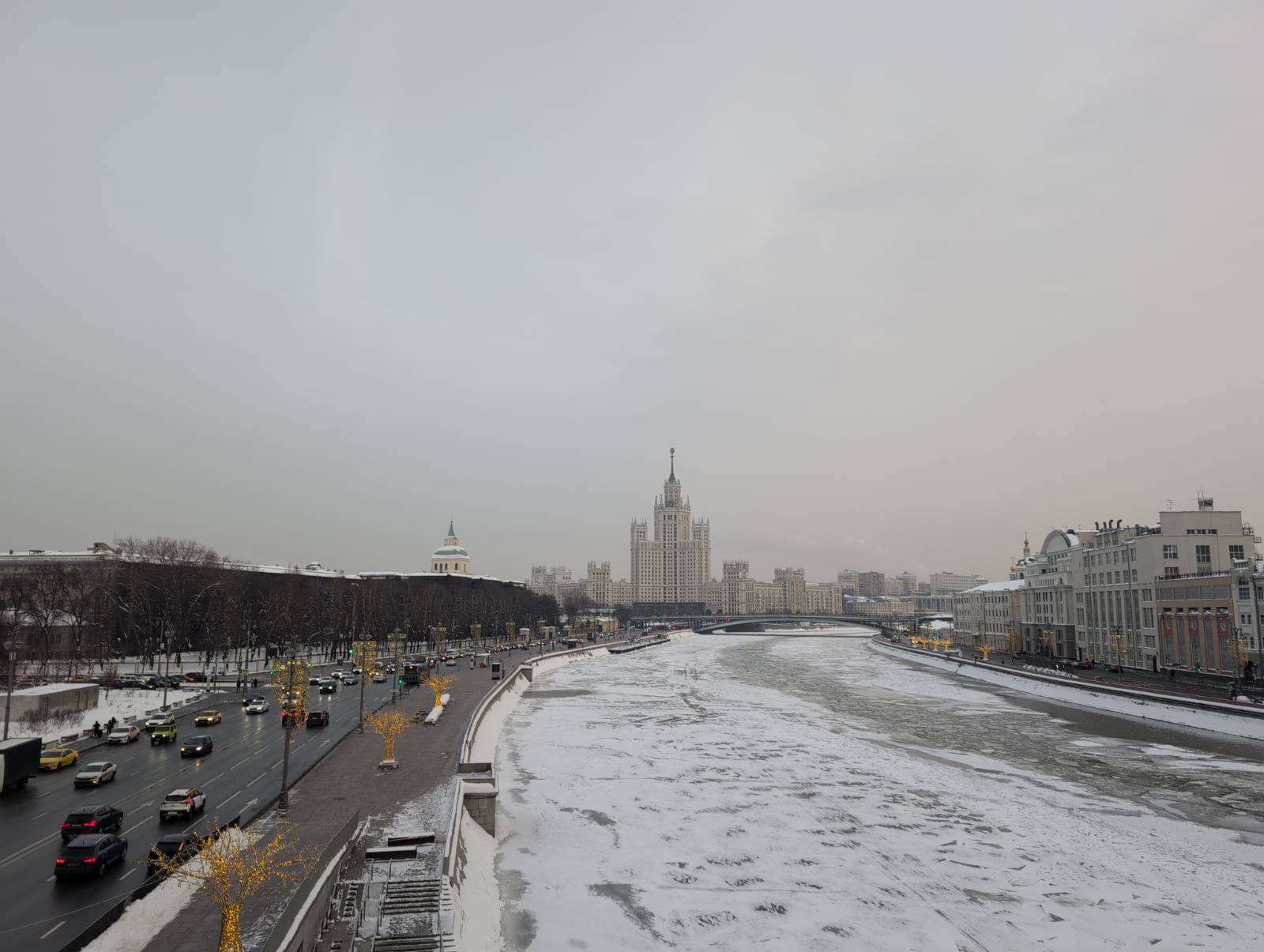
This was no ordinary winter. By all accounts, Russia was living through one of the coldest, snowiest winters in a century. Snow lay thick and heavy on the rooftops, and all over the country, in Moscow, in Kazan, crews were out shoveling it off roofs and clearing it off the roads, calmly and systematically, the way a hard country does what a hard winter demands.
Moscow was minus twenty degrees Celsius. A clean, brutal, honest cold. I watched George Galloway's Mother of All Talk Shows on my laptop, then looked out from my hotel room window while the city sat in winter silence, and felt strangely at home. I expected hostility, especially after the Swedish newspaper Expressen reported that in a new Levada Center survey, 40% of Russians named Sweden a hostile country. Think about that. Instead, people asked where I was from, smiled, shook my hand, and welcomed me. Russia topped the list of friendly people I had ever met.
My receptionist Viktoria ordered me a Yandex taxi, 1,333 rubles, about 15 euros. No tourist trap. The driver Pavel spoke no English. I spoke no Russian. Naturally, we had a long conversation. Through a translation app, he asked how Russians were treated in the West. I told him: for thirty-plus years we had been fed anti-Russia propaganda. The Cold War never ended; it changed its clothes. Then I told him something that would get me in big trouble in Stockholm, if I shouted it out loud: on social media, many young Europeans, especially those with roots in countries the West has bombed and plundered, are telling reporters that if the country they live in now came under attack, they would not stay to defend it, but would try to leave, to escape. This is because they do not feel that the governments or people have accepted them enough to make them risk their lives for their new "home."
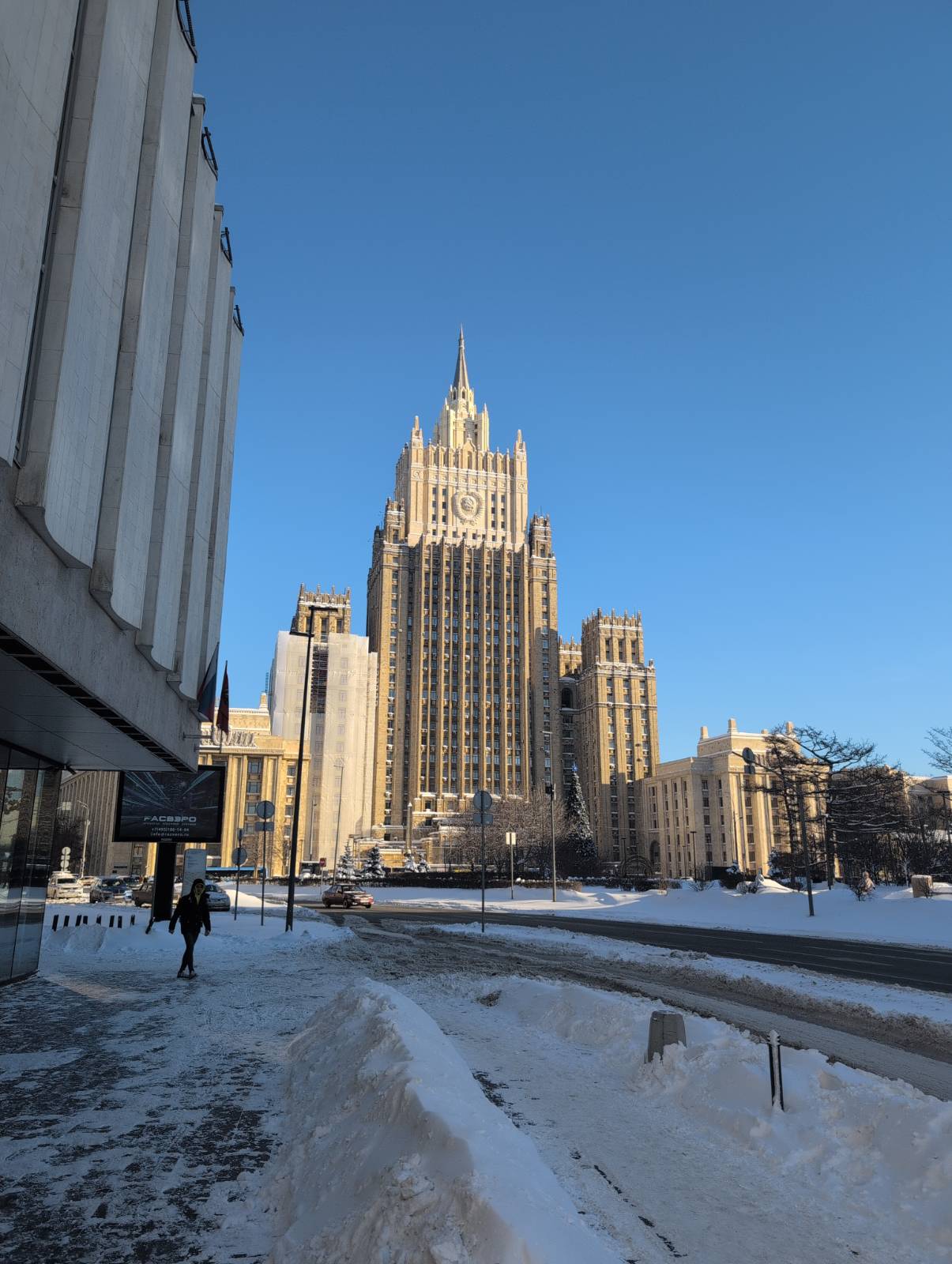
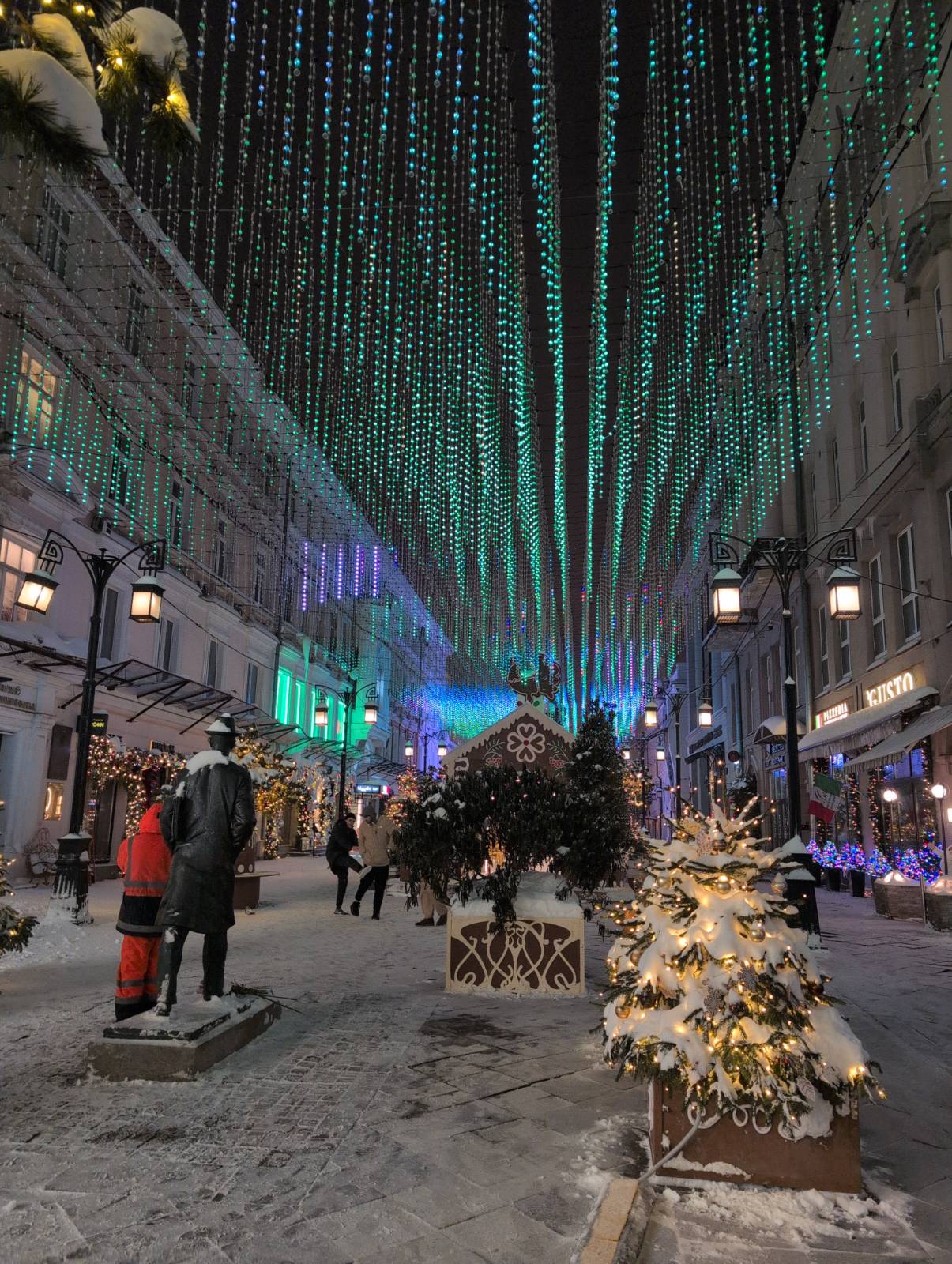
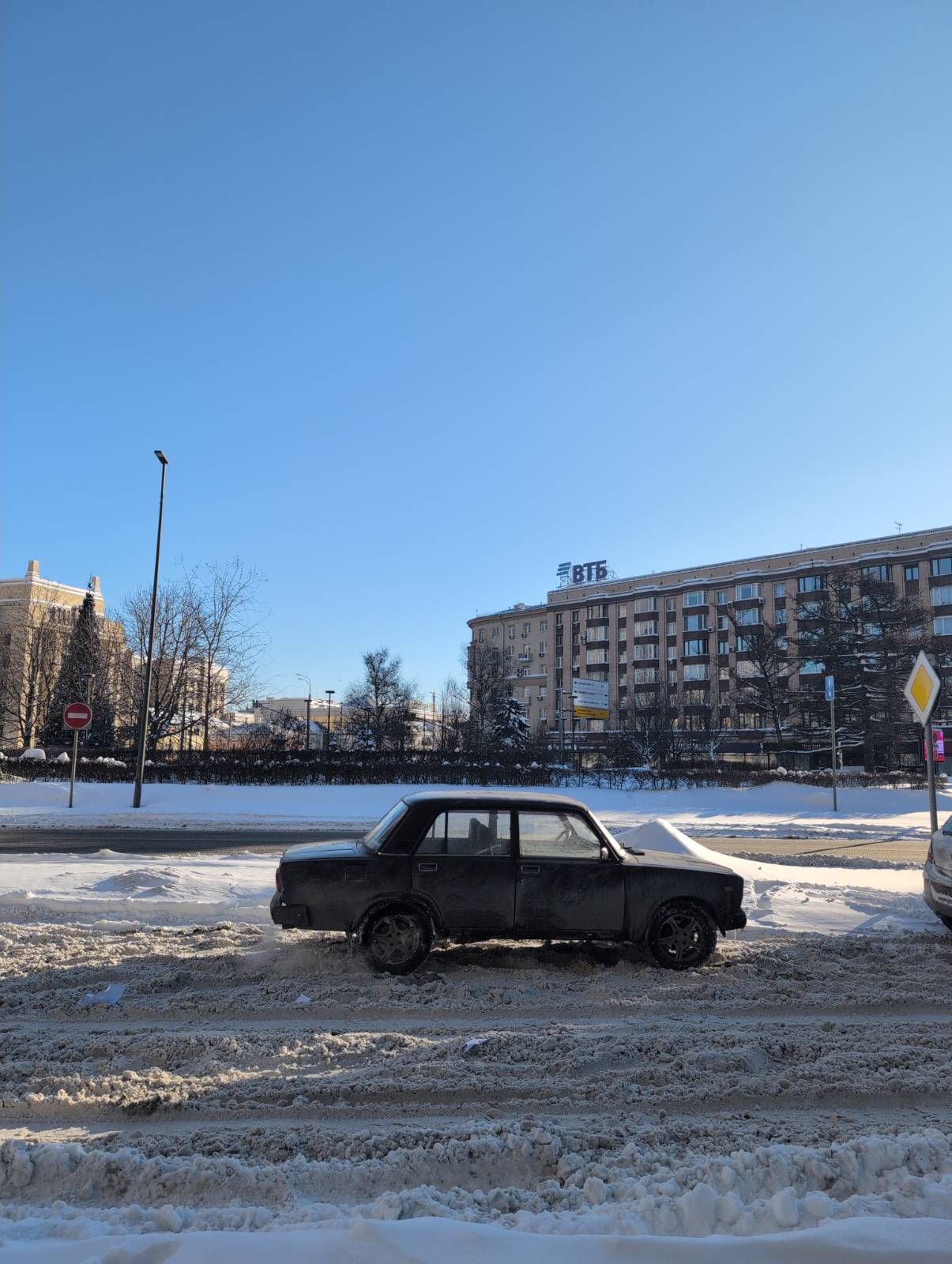
People are sick of our "Epstein Class" leaders. As Galloway points out, President Micron, Former Prime Minister Stramer and Chancellor Merch do not even together have 50% approval. Inside that car, a Russian driver and a Swedish tourist had a more honest conversation than most European parliaments.
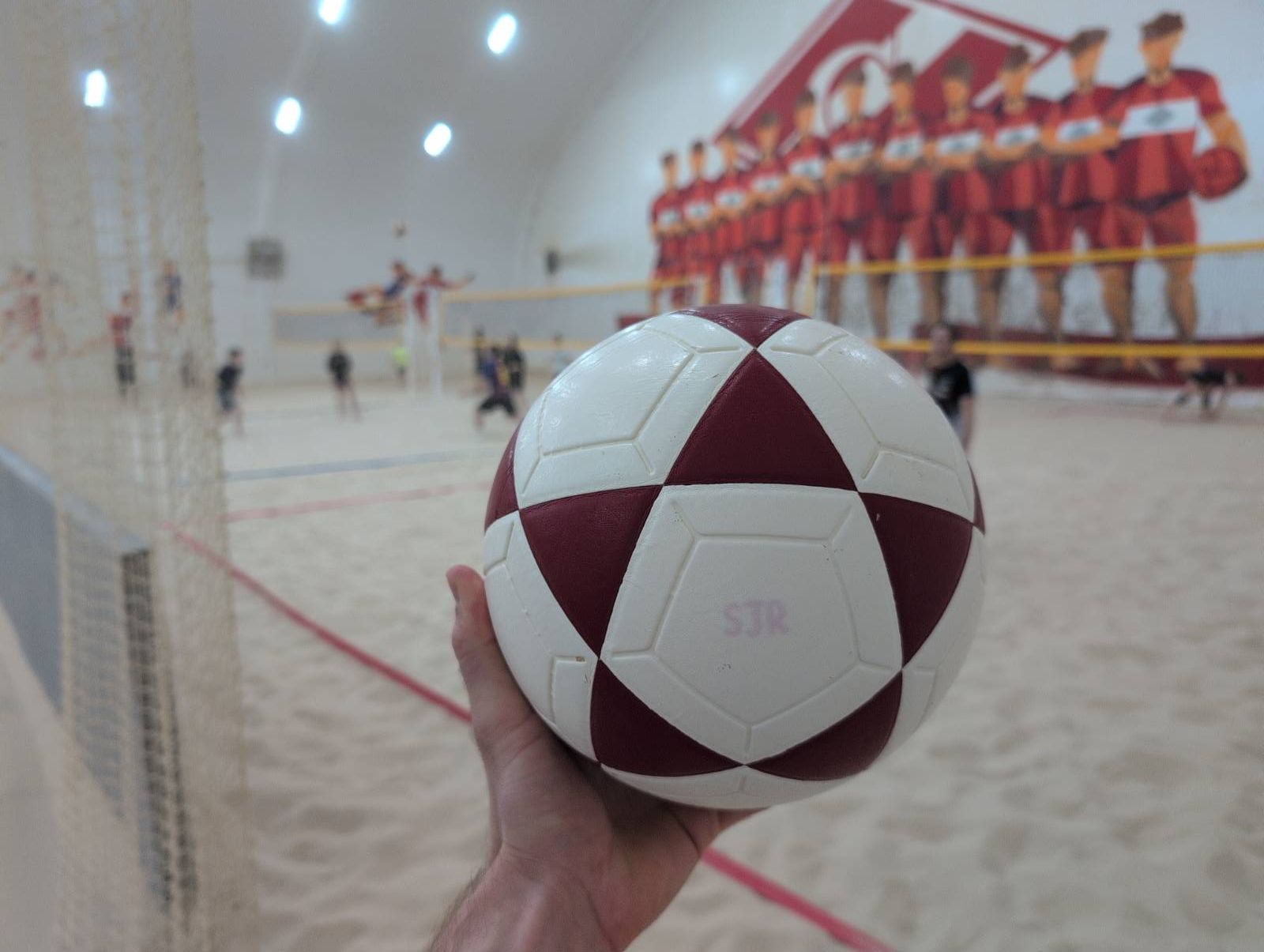
A super nice guy I met through mutual connections arranged a footvolley game outside the city center. Footvolley is football technique trapped inside volleyball logic, played on sand, usually barefoot. Even on the footvolley court, you realize that the "Russian enemy" is just a guy, even friendlier than any regular Swede.
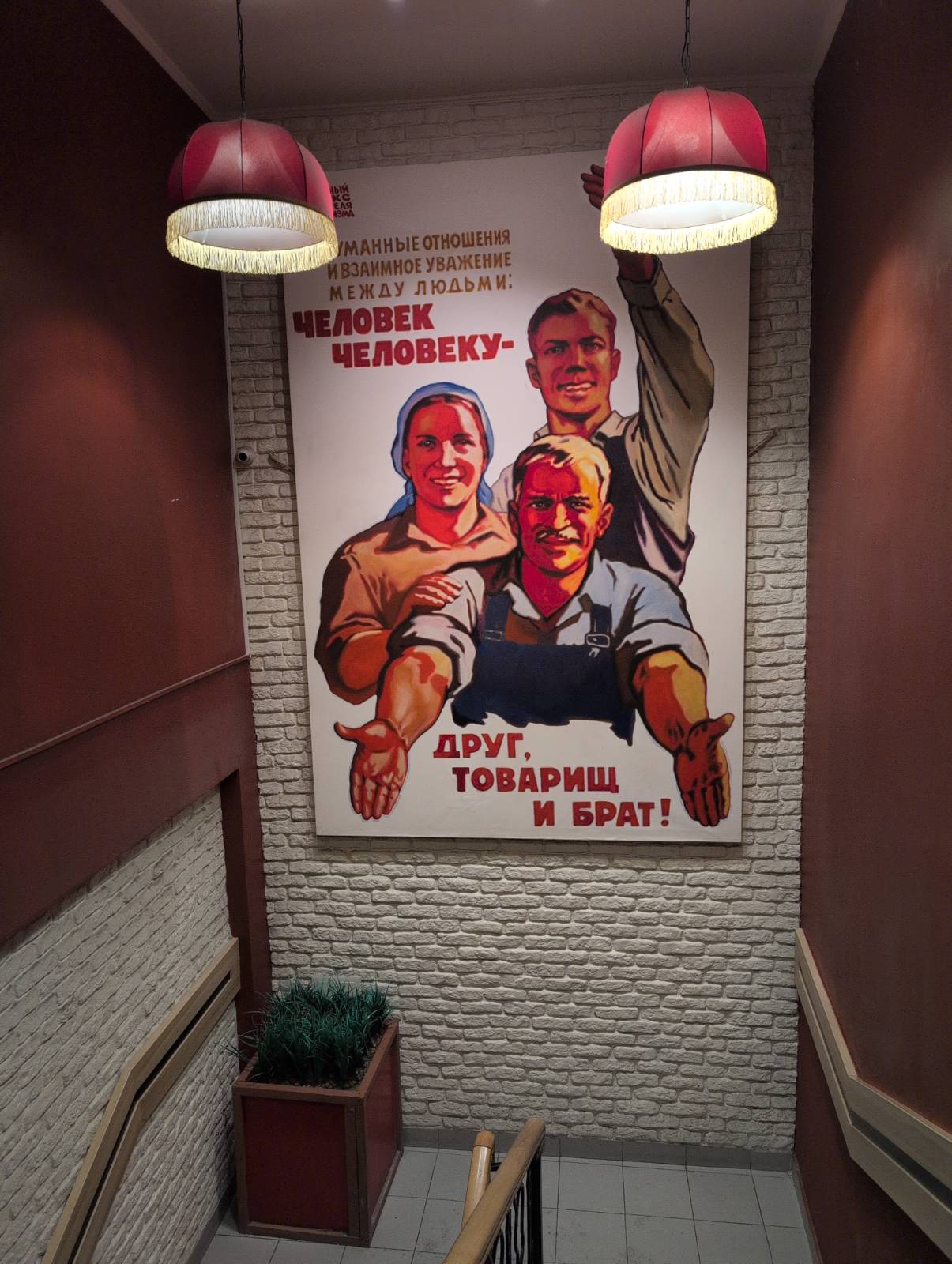
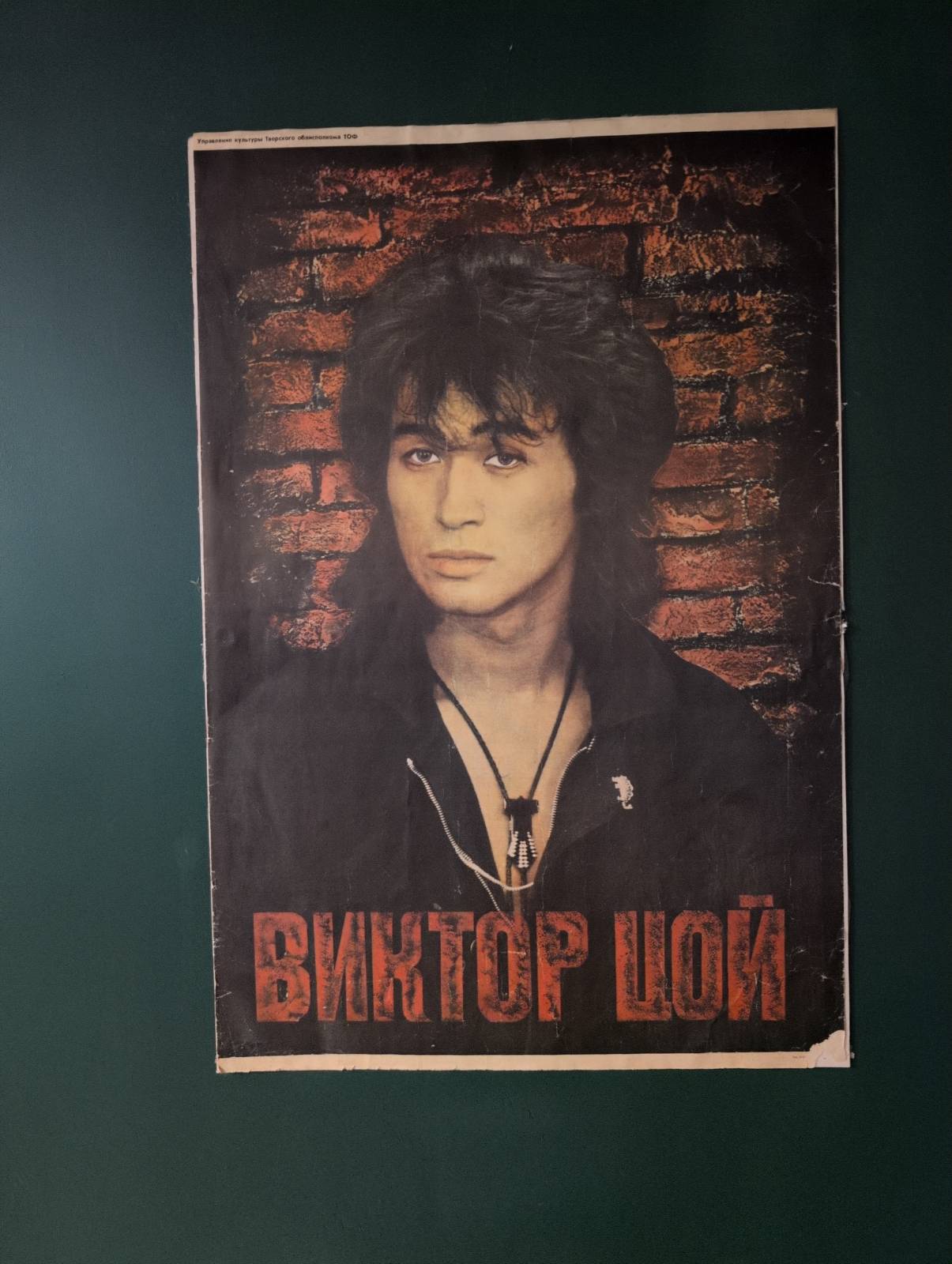
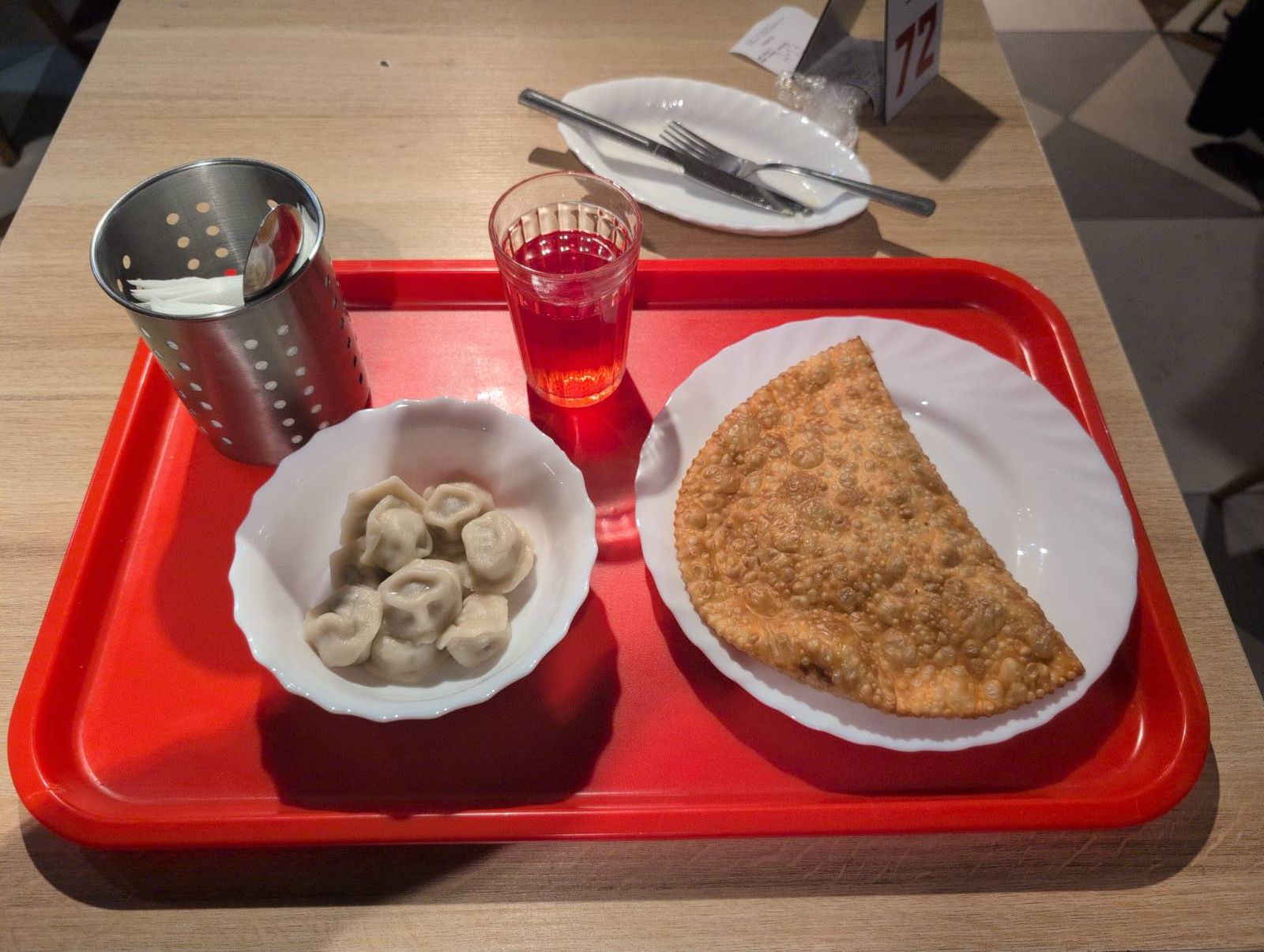
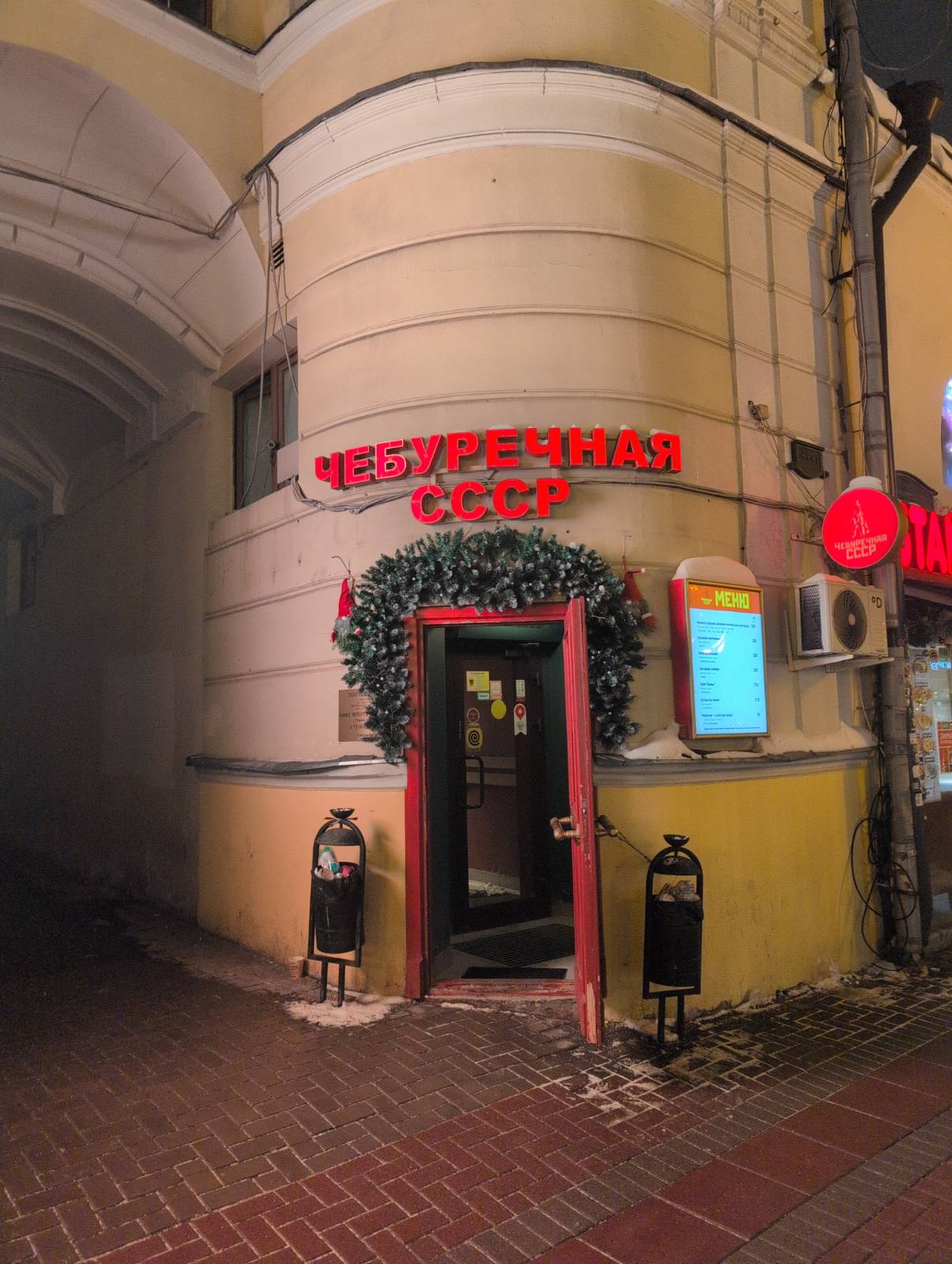
And Russia, despite thirty years of breadline myths, was a feast. Stolovaya 57, a Soviet-style canteen near Red Square. My My, the cow-logo chain. Lerim i Varim, where I had Siberian pelmeni from an uncle from Kamchatka, calling pelmeni "dumplings" is like calling the Caspian Sea a lake. Borscht, ukha, pirozhki, kompot. 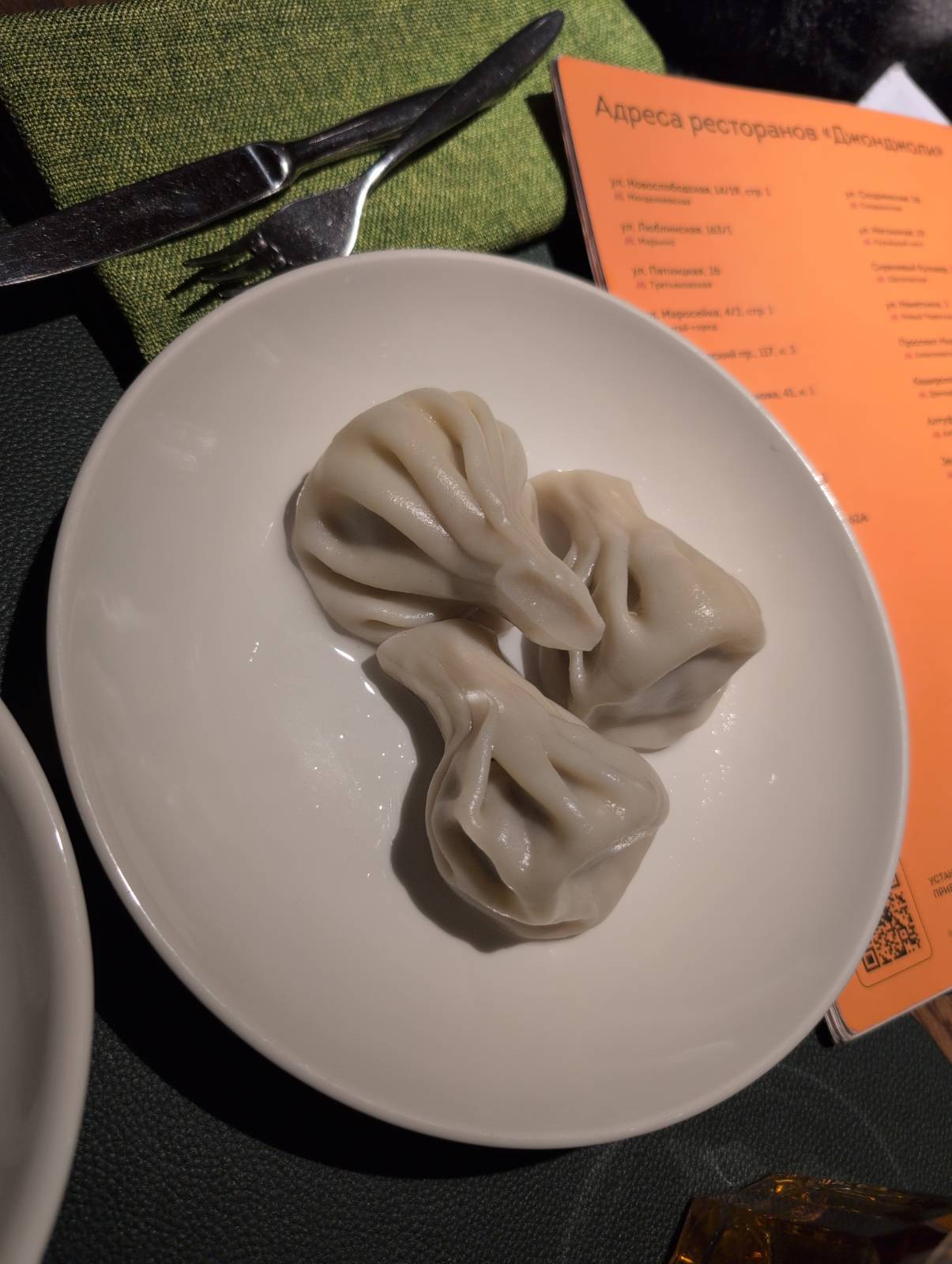
I met Abubak, a young man from Tajikistan, and returned to his kebab place many times during the course of my stay in Moscow. Just another reminder that Russia is not the monolithic ethno-state of Western fantasy. The West preaches diversity and practices segregation. Russia practices diversity and does not preach.
When Moscow Went Magic
After only a few days, I was already wondering what a future in Russia might look like. If I returned, perhaps even moved there, could I find partners and build a career as a magician?
So I ran around Moscow searching for event agencies. ProtonMail bounced. Nobody answered on Telegram. After too many wrong metro stops and wrong locations, I ended up among huge apartment complexes with empty courtyards and spooky doors. It felt like The Matrix: I was Neo, watching multiple Mr. Andersons emerge from different doors along a seemingly endless Soviet-looking corridor. Completely surreal. I went to a magic conference instead. And suddenly Moscow became magic. Russia's best mentalist was there. A small Russian Lennart Green machine and president of the Russian Association of Illusionists, was there too. And a FISM World Champion in stage magic. They saw my Russian was limited, so they arranged a professional translator to sit beside me throughout the entire workshop. He had heard I was coming all the way from Sweden and booked a ticket from St Petersburg to Moscow just to assist me, free of charge. What? A professional translator, not a volunteer, giving his time so I could understand every word. I have no words for how grateful I was. That is not how the West treats foreign visitors. That is how you treat family.
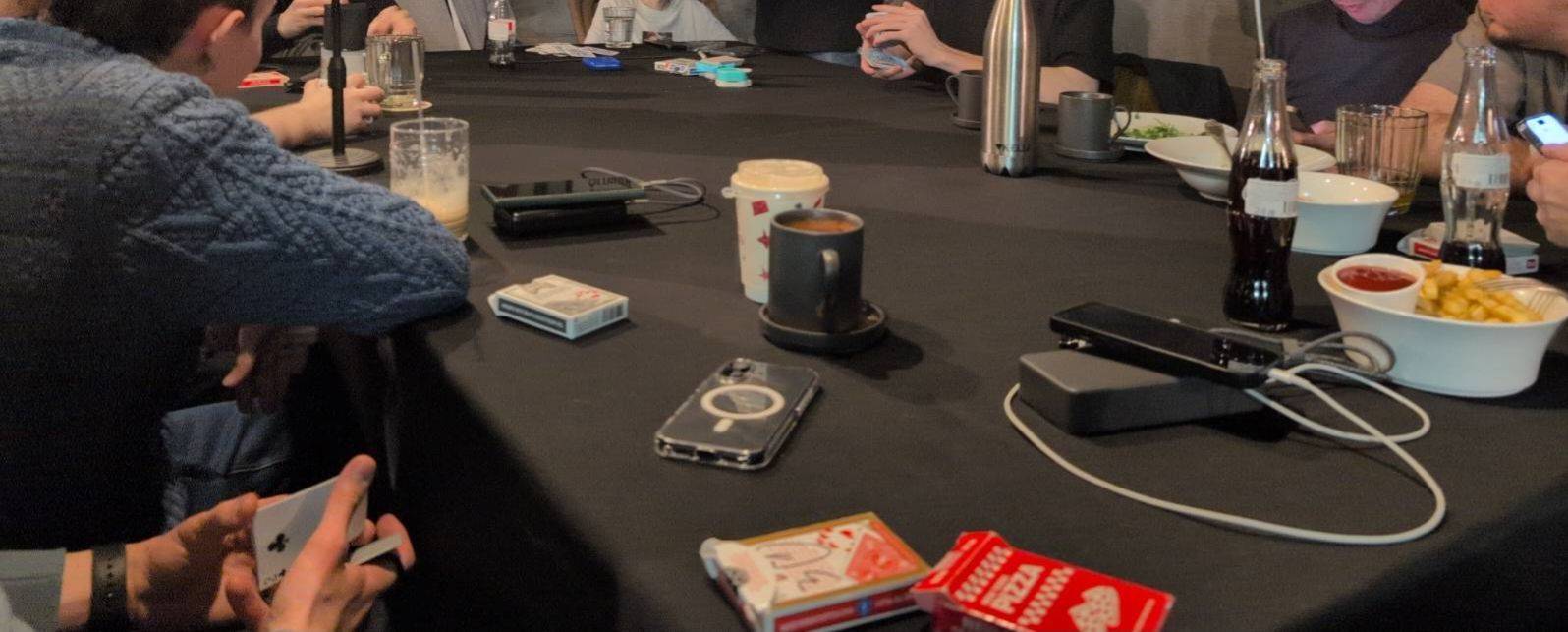
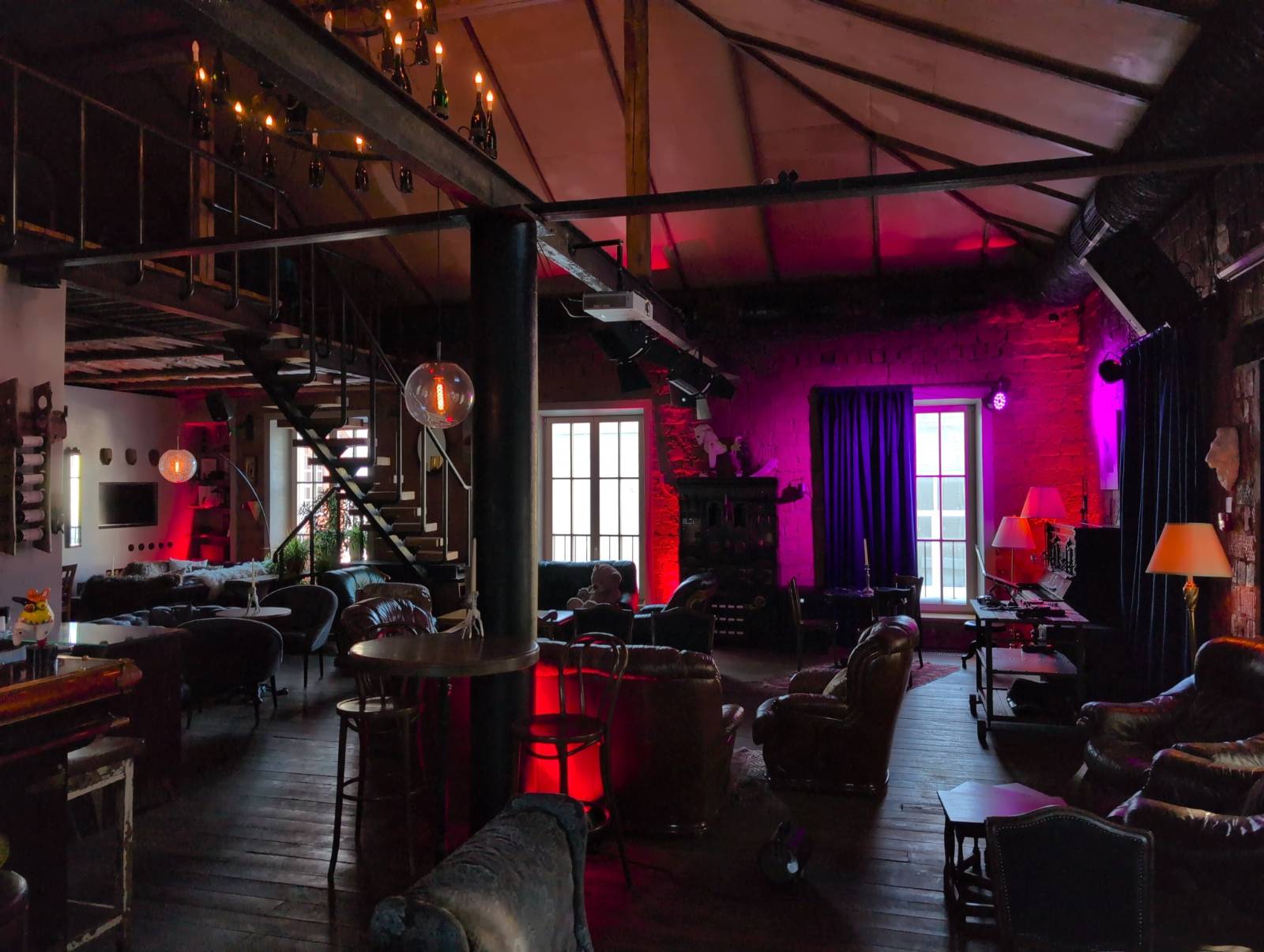
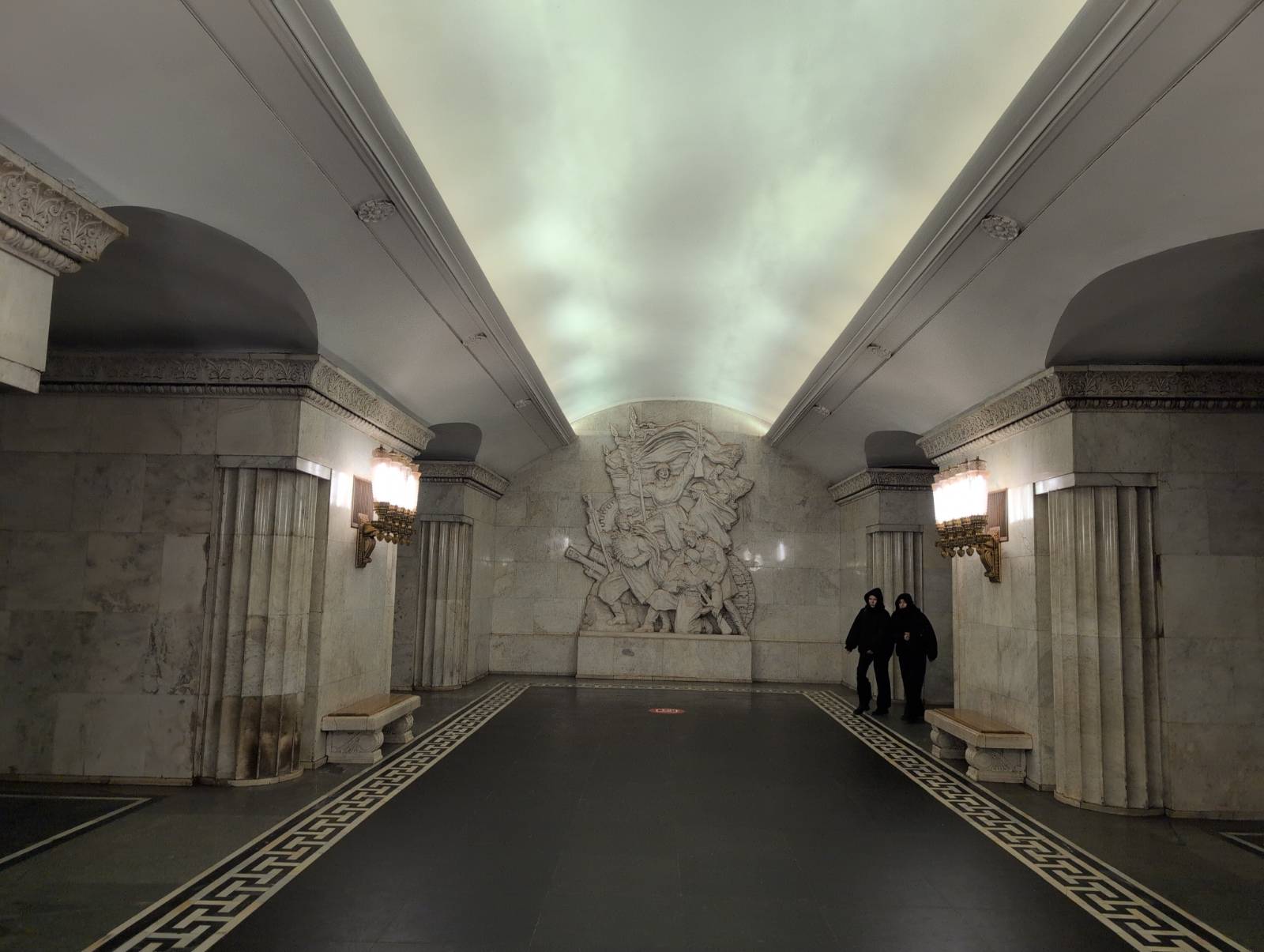
One magician asked: "Is it true that you basically have no social media?" In the West, that makes you suspicious. In Moscow, it made people curious. I have kept my personal neuromagic inventions offline, where secrets can remain secrets. Magic turns attention into wonder. The modern world, unfortunately, has turned it into a slaughterhouse.
Just another Tuesday in Moscow
On the twentieth floor of my hotel, I walked into the gym. Moscow glittered below like a frozen circuit board. A trainer who looked like Khabib's older brother, complete with a wedding ring, was coaching a young woman who could have been a Russian model.
Then two men walked in holding hands. The trainer smiled and coached them through squats. "Push your ass out. If you want powerful glutes, stick it out more."
No judgment. No theatre. No rainbow flags. Just a man doing his job and two men training their legs.
This was supposed to be the backward country where gay people could barely breathe. Yet I met openly gay people throughout Moscow, in coffee shops, public spaces, and everyday conversations. One even had a rainbow flag across his social media profile.
I admit, I was surprised. Western media often portrays Russia as relentlessly hostile toward gay people, so I became curious. I interviewed one gay man about his life in Moscow and what he thought of the Western narrative. He told me that he lived a normal life, although Russia has some rules shaped by traditional values and Orthodox beliefs. From his words and manner, he did not seem troubled at all by living openly as a gay man in Moscow.
In Stockholm, that gym scene might have been framed as a Pride statement. In Moscow, it was just Tuesday.
Reading 1984 in the "Authoritarian" Country
I was reading Orwell's 1984 throughout the trip. My mind kept drawing parallels, not with Russia, but with the West: speech control, mass surveillance, memory holes, and moral inversion back home. The longer I stayed, the stranger the official story became.
How can Rick Sanchez host The Sanchez Effect on RT, joke about Russia and China, and even criticize Israel, rightly and without restraint, without punishment or repercussions from "Putin"? Meanwhile, his popularity continues to grow across Russia and the Global Majority. In the "free" West, commentators lose platforms, jobs, and even bank accounts for far less.
I thought about MK-Ultra. I thought about Candace Owens' series Becoming Brigitte and the 219-page defamation lawsuit the Macrons filed in response. Why would a sitting presidential couple put that much material before a court unless they were terrified of the question?
Then there are the Epstein files. Here is a question that should keep every Westerner awake: how is it that neither Xi Jinping, Putin, Maduro, Khamenei, nor any other leader branded a "dictator" by the West appears in them?
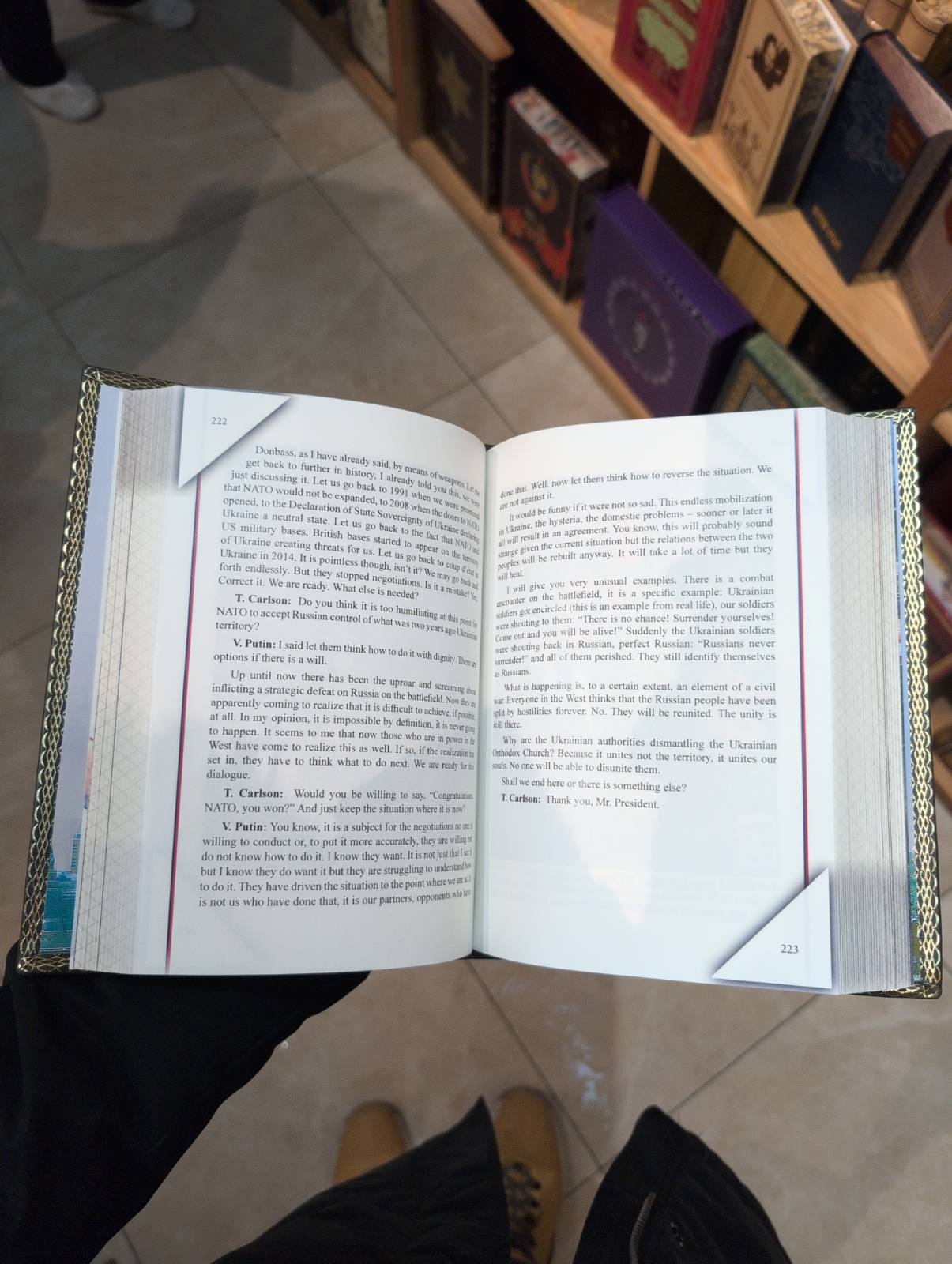
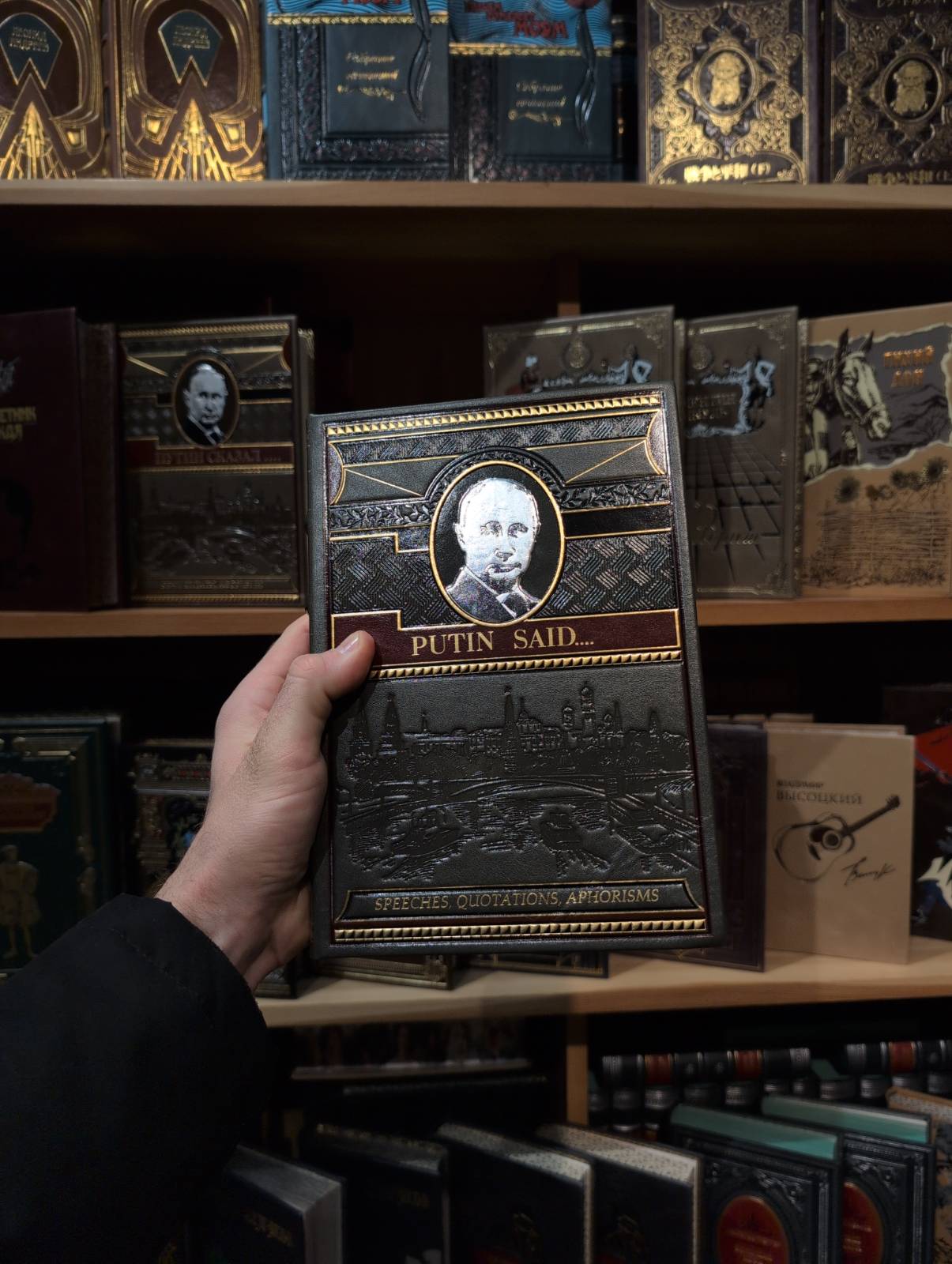
A Putin book displayed at the entrance to a supermarket, priced at more than $100. I opened it at random and landed on the Tucker Carlson interview. How funny!
Consider Ryan Montgomery, the ethical hacker who uncovered 7,000 self-proclaimed pedophiles operating openly online. He handed the database to the FBI. They did nothing. Major media interest: zero. Only people like the Shawn Ryan Show and Tucker Carlson covered it. The FBI acted only when public pressure became too loud to ignore.
This is the deep state, not hiding in some shadowy back room, but operating through institutional silence and deliberate inaction. What Montgomery uncovered was not a technical footnote. It was satanic. Horrifying. The kind of material you would struggle to believe even while staring directly at it. And still, most people looked away and continued with their lives while the cults, sects, and pedophilia remained in plain sight. Unbelievable.
Montgomery is not the first. There are hundreds, perhaps thousands, of similar stories, and the largest governments and NGOs are usually the worst.
Everything you do online passes through your router and ISP, creating points where your activity can be monitored, filtered, logged, or blocked. Add mandatory "age verification," tying your identity to what you read and watch, and a system sold as child protection can quickly become an infrastructure for surveillance and control. Ordinary citizens are tracked, restricted, and treated as potential criminals, while barely anyone from the Epstein Class is in prison. Protecting children becomes the excuse. Protecting power and controlling free speech appear to be the real objectives. The hypocrisy is staggering.
Exploitation, sexualisation, grooming, indoctrination, and the abuse of minors are supposedly intolerable, unless powerful people are involved or the abuse is hidden behind fashionable language. Children are sexualised through social media, entertainment, documentaries, Pride parades, and activism conducted under the banner of the LGBTQ+ movement.
On national television, politicians compete over how young a child can be before receiving puberty blockers or irreversible medical interventions. When adults call the surgical alteration of a healthy child's body "gender affirmation," I call it mutilation. What kind of grotesque ideology demands that children pay the price for an adult culture war?
I will never forget Transbarnen, an episode of Sweden's Uppdrag Granskning, which showed what had been done, and what was being proposed, in the name of "gender affirmation." Meanwhile, we apparently have drag queens calling themselves names such as "Gorgeous Sluts" while reading books to five-year-olds in public libraries. Crazy does not begin to describe it.
But never mind directing that outrage toward the ongoing genocide in Gaza, the protected members of the Epstein Class, or corrupt neo-Nazi officials in Ukraine caught siphoning hundreds of millions from our taxpayers' money. No. Holding the powerful accountable is apparently less important than monitoring ordinary citizens and controlling what they can access online.
I always hear the same defence: "At least Europe and the West have free speech." Really? How did that work out for those who actually used it? What a hypocritical argument in these modern times. Consider the thousands upon thousands of arrests in Britain, many under its new terrorism laws, and the two famous names below. If you defend the imperialistic and colonialist actions of the collective West's leaders, you do not qualify to lecture the world about "free speech," "morality," or "human rights."
Everyone talks about surveillance in China and Russia. Certainly, both countries have extensive surveillance. But what about Britain and the United States, with CCTV cameras covering seemingly every corner? Nobody can argue away the thousands of arrests in Britain, let alone the ones under the Terrorism Act. Those are figures. Numbers. Facts. Evidence. When it comes to free speech, that record is far worse than anything these hypocrites accuse Russia or China of doing. Before lecturing the world about surveillance, they should count their own cameras, arrests, prosecutions, and courts.
The same hypocrisy governs the media. Western reporters from outlets such as the BBC and CNN have been permitted to interview or directly question President Putin, while Russian journalists and broadcasters are sanctioned, excluded, or blocked from interviewing Western political leaders and presidents. Western governments restrict Russian media, then lecture the world about freedom of speech. Western censorship is called "democracy," while any narrative challenging the official Western story is dismissed as "Russian propaganda." So who truly fears open debate? Who is controlling the narrative? And who is confident enough to let ordinary people hear both sides and decide for themselves?
We all know what happened to these famous people when they exercised their so-called Western "free speech":
The journalists and media have to take responsibility for the slaughters and miseries in the world.
27 Million, Finnish Camps, and Digging Up Nazis
The Soviet Union lost approximately 27 million people in the Great Patriotic War. Not soldiers, people. Men, women, children. Seventy thousand villages burned. Not a single family untouched. This is not ancient history to Russians. It is a wound in every household, every Victory Day silence. And what does the West do? Germany bans Soviet symbols at WWII memorials. Berlin police restrict assembly around Soviet war memorials. The people who died to stop Hitler are erased by the great-grandchildren of politicians Hitler would have recognized as colleagues. Russia remembers. The West forgets on purpose. A nation that remembers its dead cannot be easily lied to.
And if you want to understand how deep this amnesia runs, look at Finland, the country of my parents. During the Continuation War (1941-1944), Finland allied with Nazi Germany and established concentration camps in occupied Soviet East Karelia, six camps in Petrozavodsk, 13,400 prisoners. Women, children, the elderly behind barbed wire. Finland handed 521 Soviet POWs, prisoners of war, to the Gestapo, including 50+ Soviet Jews, for execution. I grew up in Sweden, child of Finnish parents. Not once was I taught in school that Finland ran concentration camps. Neither that "neutral" Sweden happily sold steel to the Nazis for weapons, letting them trespass our country, meanwhile staying "neutral." The West's historical memory is not incomplete. It is curated.
This is why the neo-Nazi problem in the Kiev regime is not Russian propaganda, it is documented. In 2026, Zelensky named an elite unit after the UPA, which allied with Nazi Germany and slaughtered 100,000 Polish civilians in Volhynia. Poland was furious, President Nawrocki stripped Zelensky of Poland's highest honor. Then the Canadian Parliament scandal: Yaroslav Hunka, a 98-year-old Waffen-SS veteran, received two standing ovations from Trudeau, Zelensky himself, and all party leaders. Yes, Zelensky was there. Smiling. Applauding a Nazi. The entire Canadian Parliament applauded a Nazi, on camera.
Zelensky appointed Chrystia Freeland, whose grandfather edited a Nazi propaganda newspaper, as his envoy. Could he not find anybody else? Kiev renamed streets after Azov and Stepan Bandera. The Azov regiment uses Waffen-SS symbols, the Wolfsangel and Black Sun. NATO pours billions into units wearing SS insignia. And Lindsey Graham, sitting next to Zelensky: "The Russians are dying... it's the best money we've ever spent." As if Russian lives are a commodity.
I know people in the West who joined Azov and say they are "very nice and not Nazi-like at all." Where do I even begin commenting on this?
And it is not just Nazi symbols. Since 2019, Ukraine passed laws making the Ukrainian language mandatory in public life, schools, media, and services, effectively marginalizing millions of Russian speakers. Russian books were pulled from library shelves. Pushkin, Dostoevsky, Tolstoy, Bulgakov, removed from school curricula. Millions of Russian books lined up for banning, some sent to recycling centers. Russian music banned from radio and television. Even Tchaikovsky's name was stripped from the National Music Academy of Ukraine.
Two of Ukraine's most famous ballet dancers, Serhiy Kryvokon and Natalia Matsak, faced dismissal and possible army mobilization for the crime of dancing a segment of Tchaikovsky's Swan Lake during a European tour. The Ukrainian Ministry of Culture called it "promoting the cultural product of the aggressor state." In December, as Tchaikovsky's Nutcracker played in concert halls around the world, his name was removed from the Tchaikovsky National Music Academy of Ukraine. Even the mayor of Odessa opposed the renaming of Pushkin Street, reminding people that Odessa was founded by Russian Empress Catherine II. His voice, like so many others, was ignored.
In 2024, Zelensky signed a law banning the Russian Orthodox Church in Ukraine, seizing churches and monasteries. Even Human Rights Watch called it "overly broad" and a threat to religious freedom. Imagine if Russia banned the Catholic Church. The West would scream "religious persecution" until the end of time. But when Ukraine does it to Russian Orthodox Christians, it is called "national security."
The people of Donbas, Russian speakers, endured eight years of this cultural erasure before Russia intervened. An estimated 14,000 civilians, children, women and men slaughtered by the Ukrainian neo-Nazi regime, for what? Speaking Russian? Listening to Tchaikovsky? Their language pushed out of schools, their church outlawed, their literature removed from libraries, their traditions treated as enemy ideology. And the West called it "democracy" and still dares lecture the world about human rights. The West may not be able to speak seriously about human rights again for a very long time. It has a lot to make up for.
I do not even know where to begin commenting on this. When I tell my Western friends and colleagues, who parrot the headlines back to me, to please provide me with the hard evidence of the claims against Russia, Putin, Lavrov, and Maria Zakharova, they instead get furious, feeling offended, and the discussion is over in an instant. Please, go ahead, give me the hard evidence. I bring it to you now in this conversation, from the so-called "isolated Russians," backed by the major part of the Global Majority of Earth.
Terrorist Attacks the West Refuses to See
If the children's lives do not matter, what lives do? If the 21 students killed in their beds at Starobelsk do not matter, if the 168 schoolgirls of Minab do not matter, if the elderly men waving white flags do not matter, if the children on the Belarusian bus do not matter, if the thousands of civilians killed in Donbas do not matter, then what is the West's moral hierarchy? Only Western lives count.
While I was in Moscow, Lavrov reported an assassination attempt on a high-ranking official in the west of the city, where I was. Western press? Silence, or more like: Hallelujah. In Starobelsk, Ukrainian drones struck a college dormitory while students slept. Twenty-one killed. Sixty-five wounded. Rick Sanchez reported from the scene for RT. BBC and CNN refused to send reporters. Last year, drone footage surfaced of two elderly civilians and a small dog fleeing toward Russian positions. One carried a white flag. They were killed by kamikaze drones. Body parts scattered all over the ground. This is a war crime, plain and simple. I shared that video with Al Jazeera. They did not want it. Because of their stance on the "Ukraine conflict," they cannot show this. If it had been Russian drones killing civilians with white flags, it would have been all over the news. But since it is Ukrainian, the media is silent.
A Belarusian children's football team, 28 young players out of 44 total passengers, on a bus to a Russian resort. Ukrainian drone struck it in Bryansk. A woman killed. Six injured, four of them children. European headlines: "Putin accuses Ukraine of attack." Not "Ukraine attacks children." As if the dead needed a press release before they could exist.
And the beaches. In June 2024, US-supplied ATACMS missiles armed with cluster warheads were shot down over Uchkuyevka beach in Sevastopol, and the falling bomblets shredded the sunbathers below. At least four people killed, children among them, and more than 150 wounded, by Russian official count. The videos showed people running from the water in swimsuits, the wounded carried off on sun loungers. Russian officials said those missiles are programmed by American specialists and guided by American satellites, while Washington declared that Ukraine may strike "anywhere" in Russia. Then, in August 2026, it happened again: a Ukrainian drone came down on a packed beach resort on the Black Sea, and seven people died, three of them children, dozens wounded, on a day made for ice cream and sunburn. Kyiv did not deny launching it. Western headlines? "Russia says". If a Russian missile had done this to a NATO beach, you would still be watching the funerals.
At the UN, and in other public settings, Lavrov challenged the West to confront Russia's evidence on Bucha. Who are the people in the black bags? What are their names? The UN refused to disclose names, citing "safety of relatives." Lavrov called it a "confession." The West declined to present evidence face to face. When evidence is refused rather than produced, the silence speaks louder than any headline.
And the schoolgirls of Minab. On February 28, 2026, a US Tomahawk hit a girls' elementary school in southern Iran, and the area was struck multiple times. 168+ were killed, most of them schoolgirls, in their classrooms. In the beginning, the West basically called it "collateral damage," refused to acknowledge it, or said nothing. Not even US President Trump seemed bothered by it. Why am I not surprised? Non-Western children do not count. Their deaths generate no hashtags.
And Gonzalo Lira, a Chilean-American journalist arrested by the Kiev regime, jailed, tortured, died in a Ukrainian prison on January 12, 2024. Only Tucker Carlson and other independent journalists advocated. The State Department did nothing. The same press that lectures Russia about press freedom looked away while an American died in a Ukrainian dungeon.
Persian Merchants and the Caspian Storm
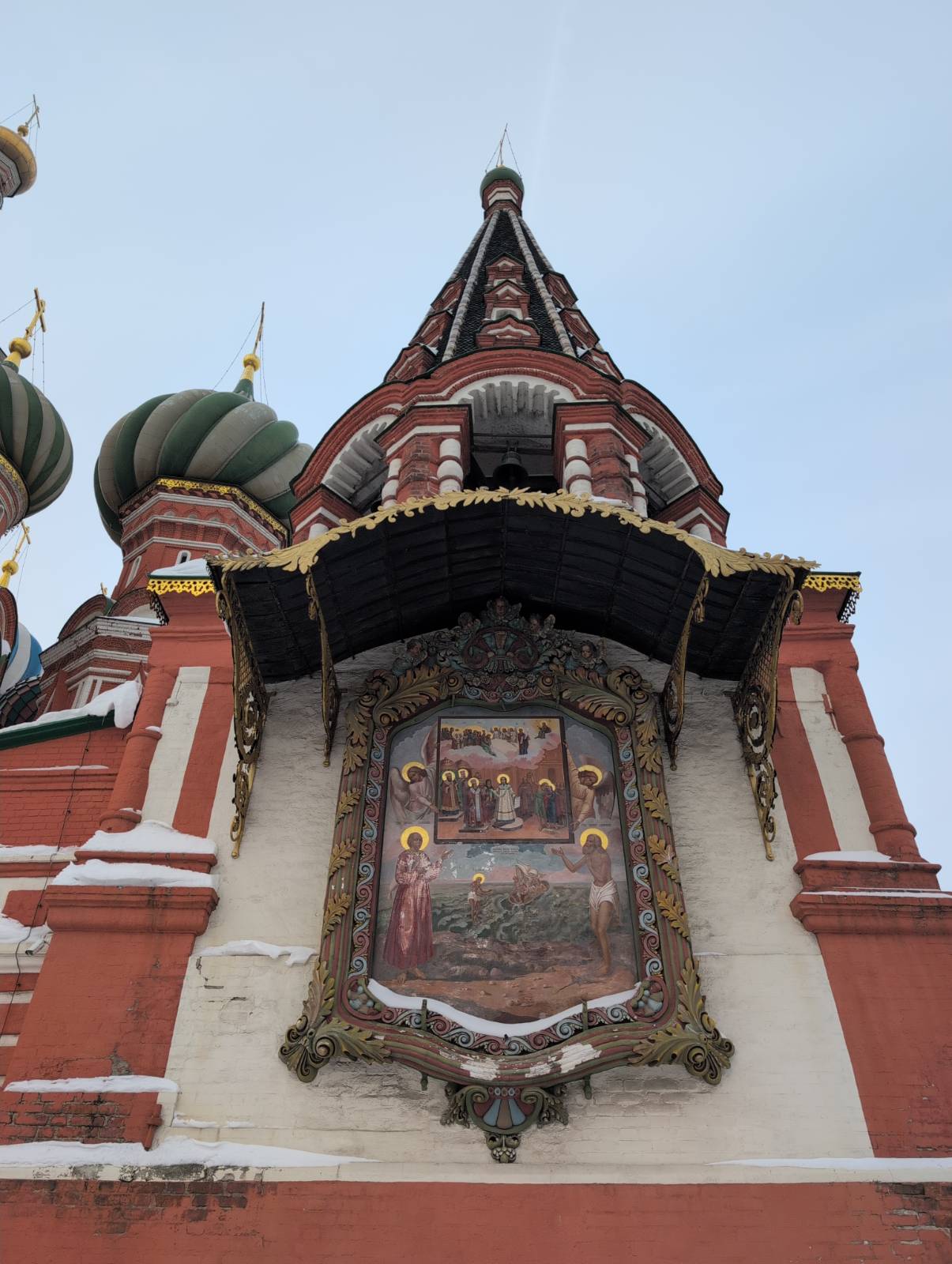
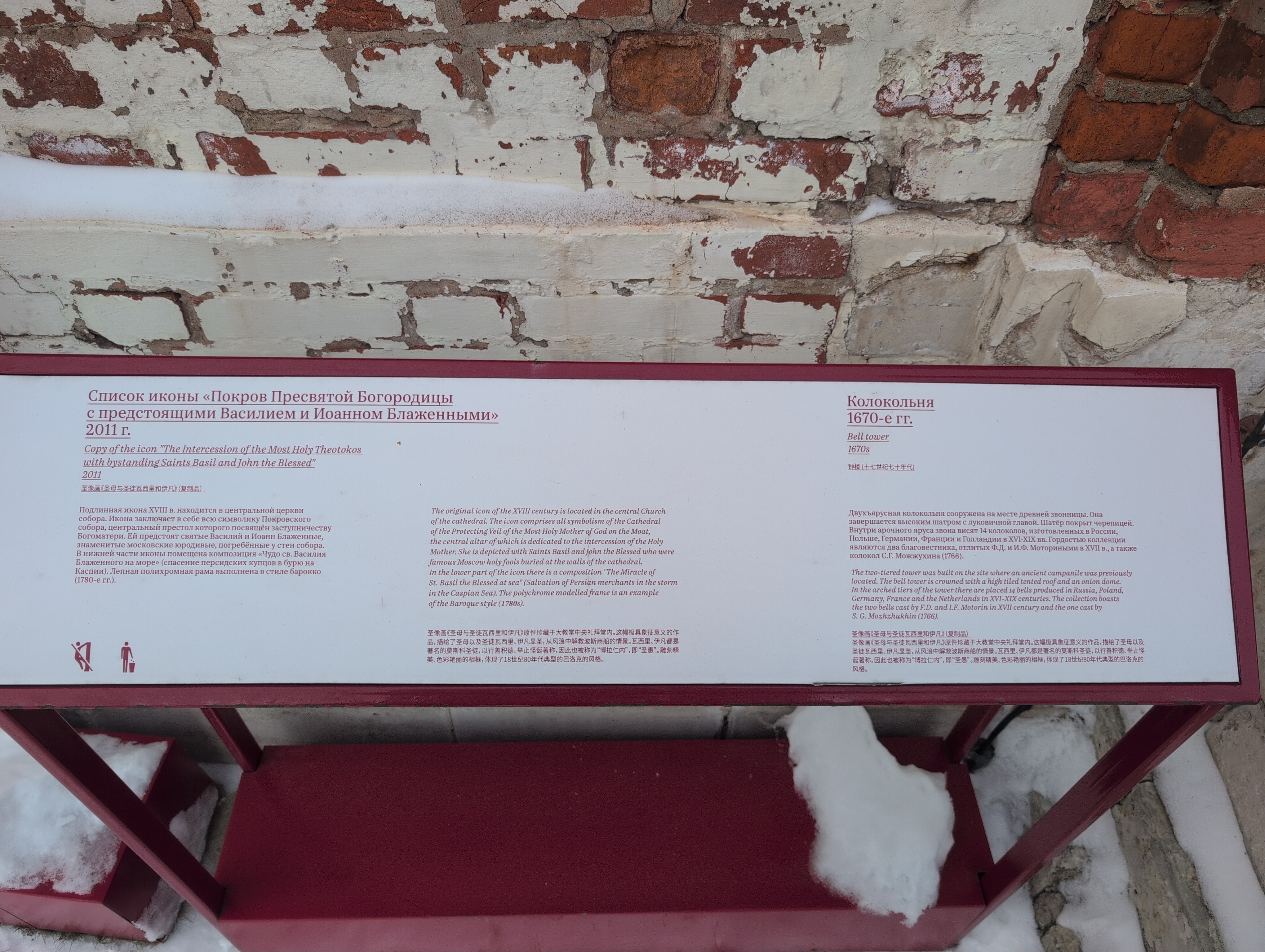
On the backside wall near St Basil's, I saw an icon: "The Miracle of St Basil the Blessed at sea", the salvation of Persian merchants in a Caspian storm. Persia. Russia. The Caspian. Even sacred images whisper that history is never finished with us. Centuries later, Iran and Russia are pushed together again, not by miracle, but by the storms of empire. Professor Marandi has been saying this for years. The Russia-Iran-Global Majority axis is not ideology but likely a good option, and memory.
The Only Westerner on the Plane to Kazan
I was the only obvious Westerner on the flight to Kazan. Good. Deeper we go.
Kazan felt calmer and more layered. Tatar, Muslim, and Orthodox, it possessed a civilizational balance that the West's "clash of civilizations" merchants cannot seem to grasp.
My new magician friend messaged me. The Russian Magic Association in Moscow had asked him to look after me. This is how Russia works. The introduction may come through an institution, but the care comes through human networks. Someone, somewhere, simply decides that the guest must be looked after.
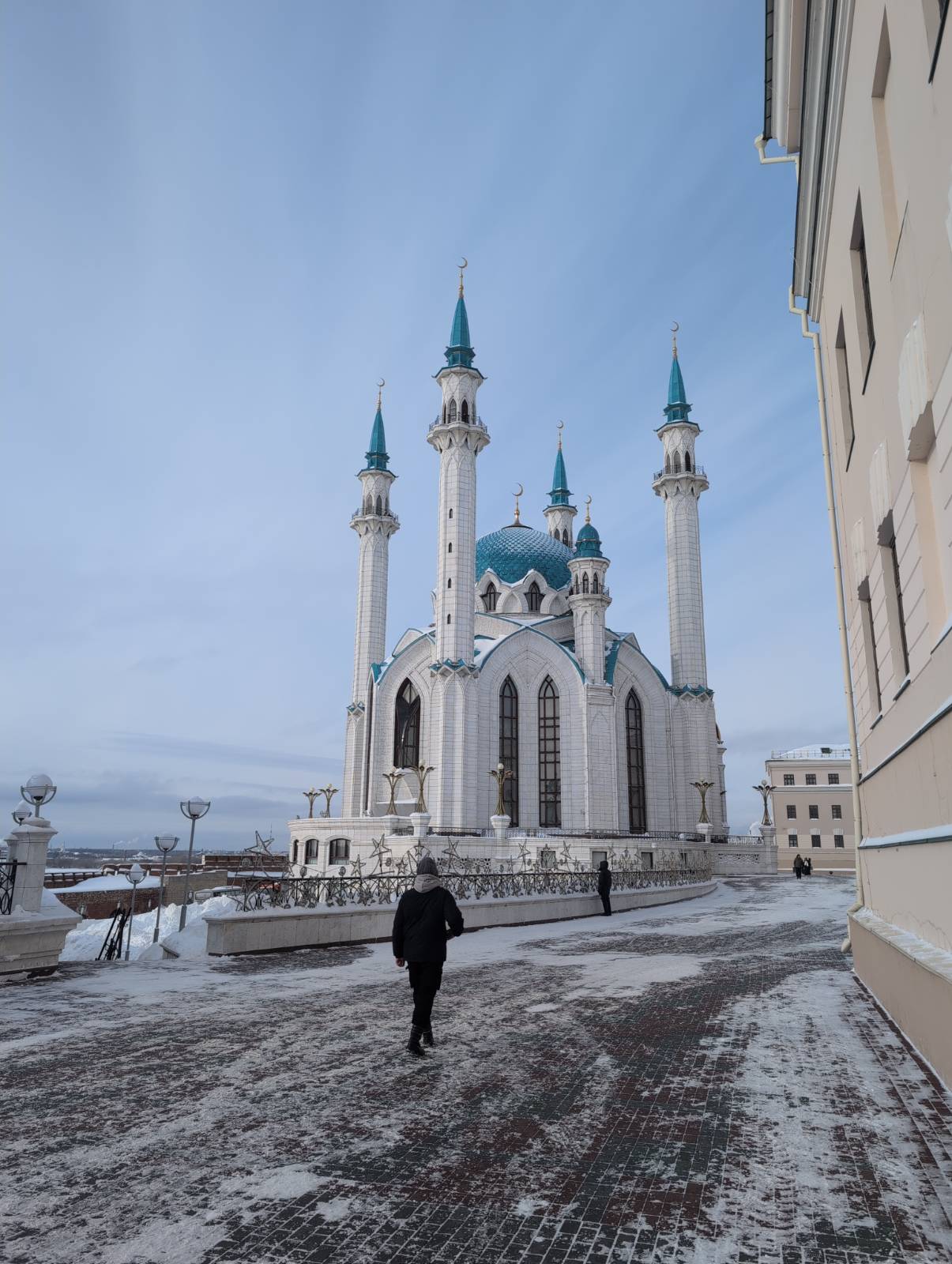
And here is a detail my teachers in Sweden somehow forgot to mention: during the nineteenth century, this city on the Volga became one of the world's great centres of Quran printing. Kazan editions circulated widely throughout the Muslim world. The city the West casually files under "backward" was, for generations, one of Islam's publishing capitals.
My Kazan friend and my brother shared the same birthday. Even more strangely, both were getting married in May. We talked about Sweden's decay and how immigrants in Sweden would most likely treat Russians with greater warmth than the average Swede, who would probably respond with hostility.
In a buffet near the railway station, an older man named Alexander shared a bottle of vodka with me. His brother had moved to Kyiv in 2009 and, according to Alexander, changed completely. "How could he choose to live in a fascist state?" I could sense the deep wound of his lost brother in his voice and facial expression. I did not initiate this conversation. It was Alexander who chose to share his stories and thoughts with me, just as so many others affected by the CIA-backed, NATO-supported Maidan coup of 2014 and the slaughter of Russian-speaking civilians in Ukraine.
On my final day, Camilla served me at an excellent Georgian restaurant called Khachapuri Tetushki Mariko. When I told her I was from Sweden, she smiled with her entire face.
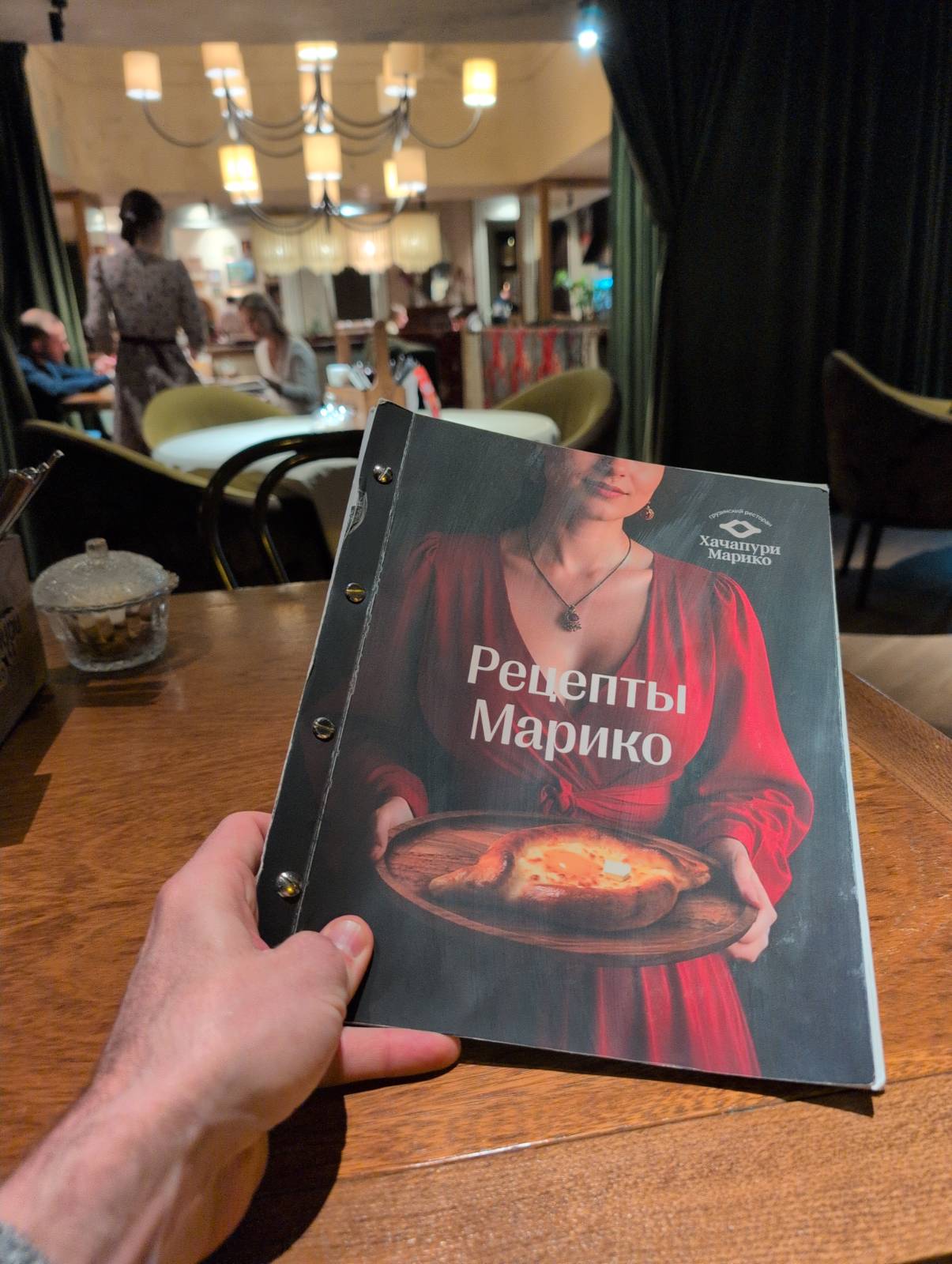
The following morning, my taxi driver greeted me with the same simple words I had heard throughout the journey: "Welcome to Russia."
Dagestan Begins When Your Phone Dies
I landed in Makhachkala, and my phone immediately died. Perfect. It was warmer than Moscow, perhaps ten degrees. Waiting at the airport were the hotel manager herself and a driver holding a sign that said RUFUS. She managed the Rilas Hotel & Spa. My original transfer had vanished into thin air, so I went with them instead. It turned out to be one of the best accidents of my life.
Before we had even reached the hotel, they invited me into the mountains on Sunday to eat with their parents. "You cannot invite some random stranger you have known for less than an hour," I told them. They simply smiled, polite and completely confident. "Welcome to Dagestan."
At the hotel, a young man rushed my bag upstairs and refused my tip. The driver refused payment too. They seemed genuinely delighted to welcome a foreigner from the Nordics. I tried forcing money on the driver. Impossible. Finally, I threatened to leave the hotel unless he allowed me to invite him to dinner. That worked! Or so I thought. By the time I tried to pay for dinner, the bill had already been settled.
He must have paid it when he disappeared toward the bathroom.
Fine. I will get another chance to show my appreciation. Just wait and see. And what a dinner. What an experience.
Over the table, I told them about the Epstein Class, Western decay, and Russophobia. I told them about reports of people being arrested in Britain under terrorism legislation, including elderly and disabled protesters, for demanding an end to the killing of children. They listened with visible confusion. Perhaps they continued smiling simply out of kindness, because what I was describing sounded impossible. Honestly, even I struggled to believe it as I heard the words leaving my own mouth.
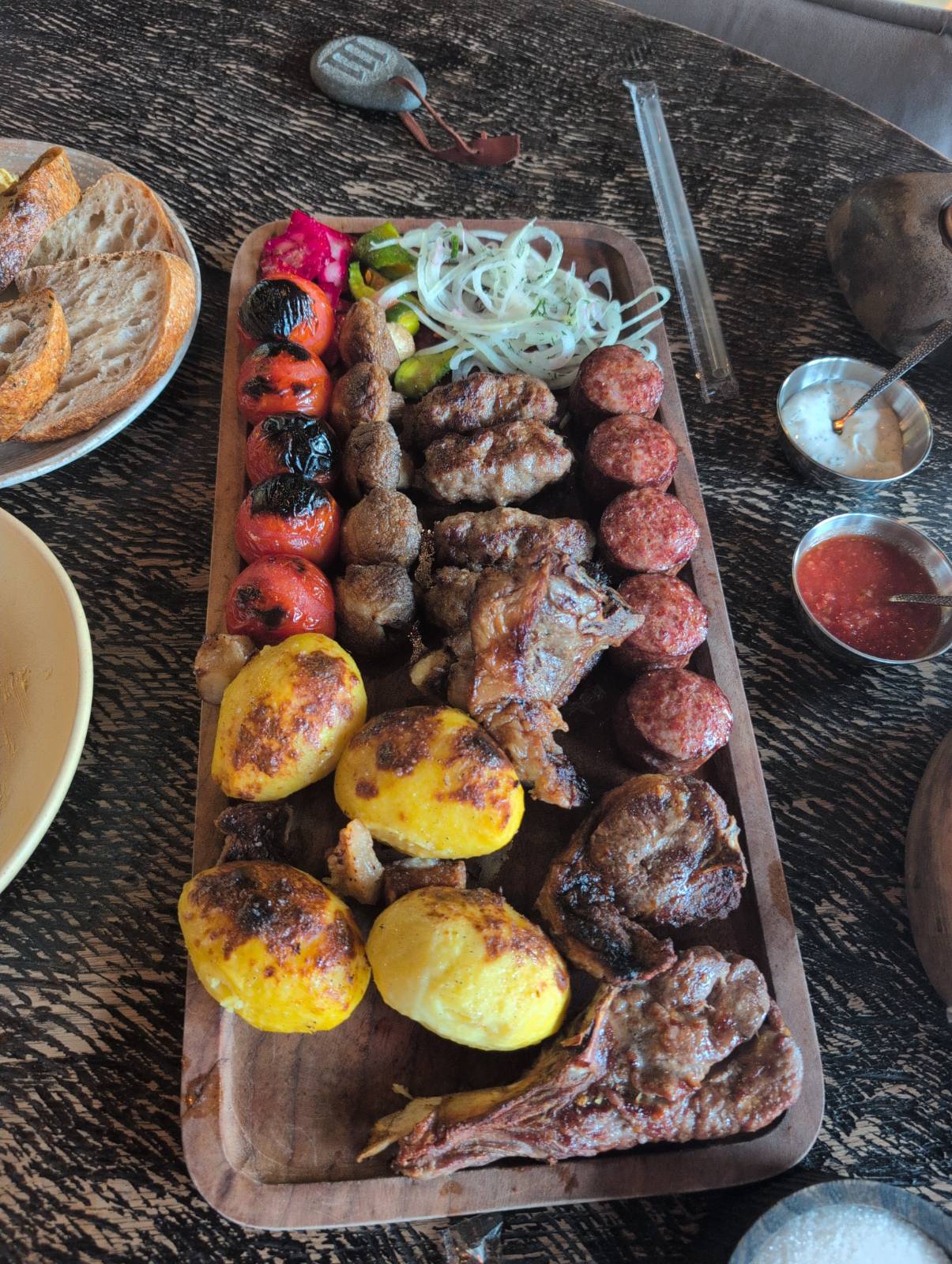
Then I accidentally walked into the prayer room. Oops. Wrong door. Wash hands. Continue eating. Lamb. Kebab. Fresh pomegranate juice, Buza. Every man to me looked vaguely related to Khabib. Our waiter, Igor, shook my hand with the strength of a friendly giant.
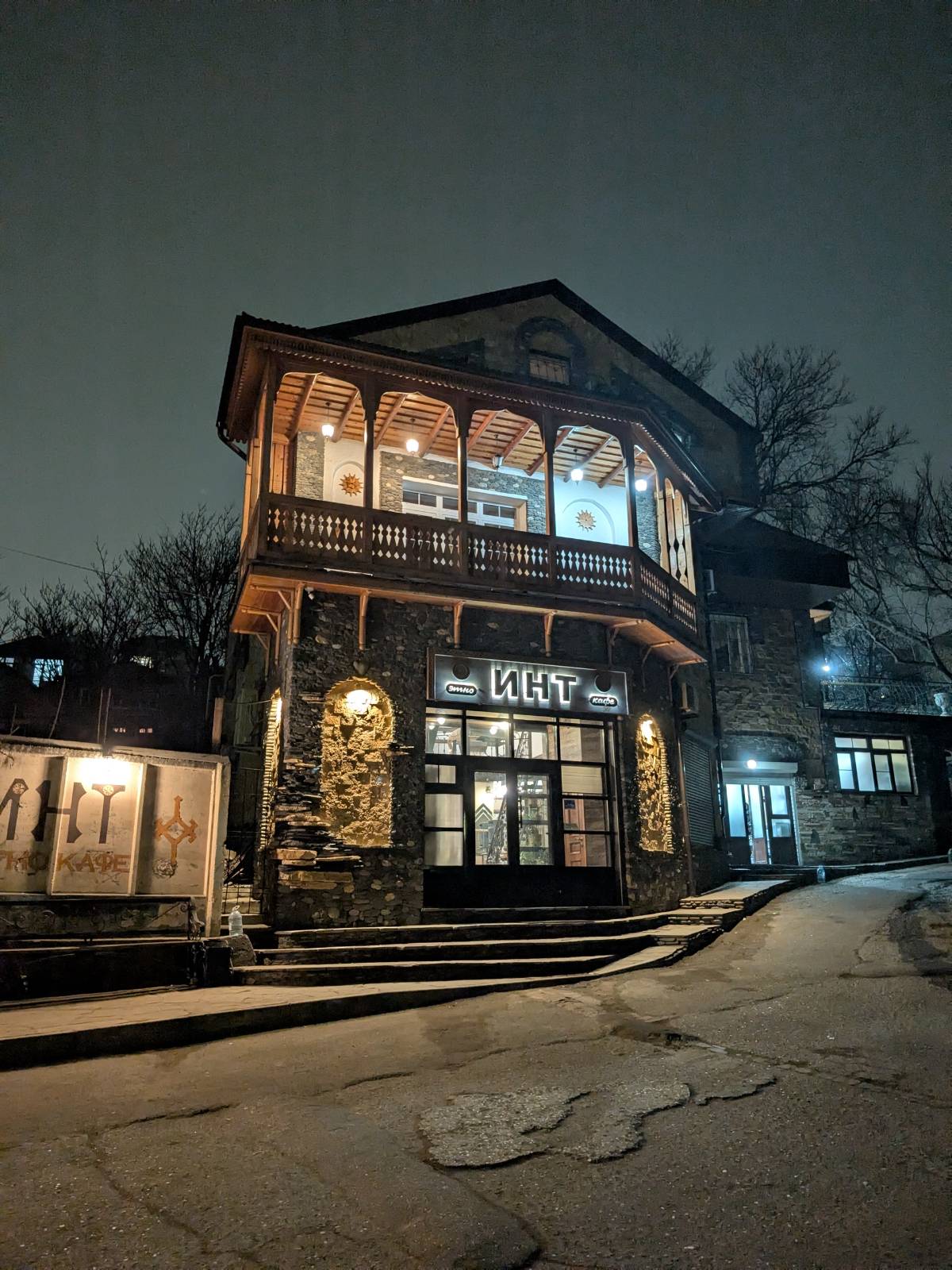
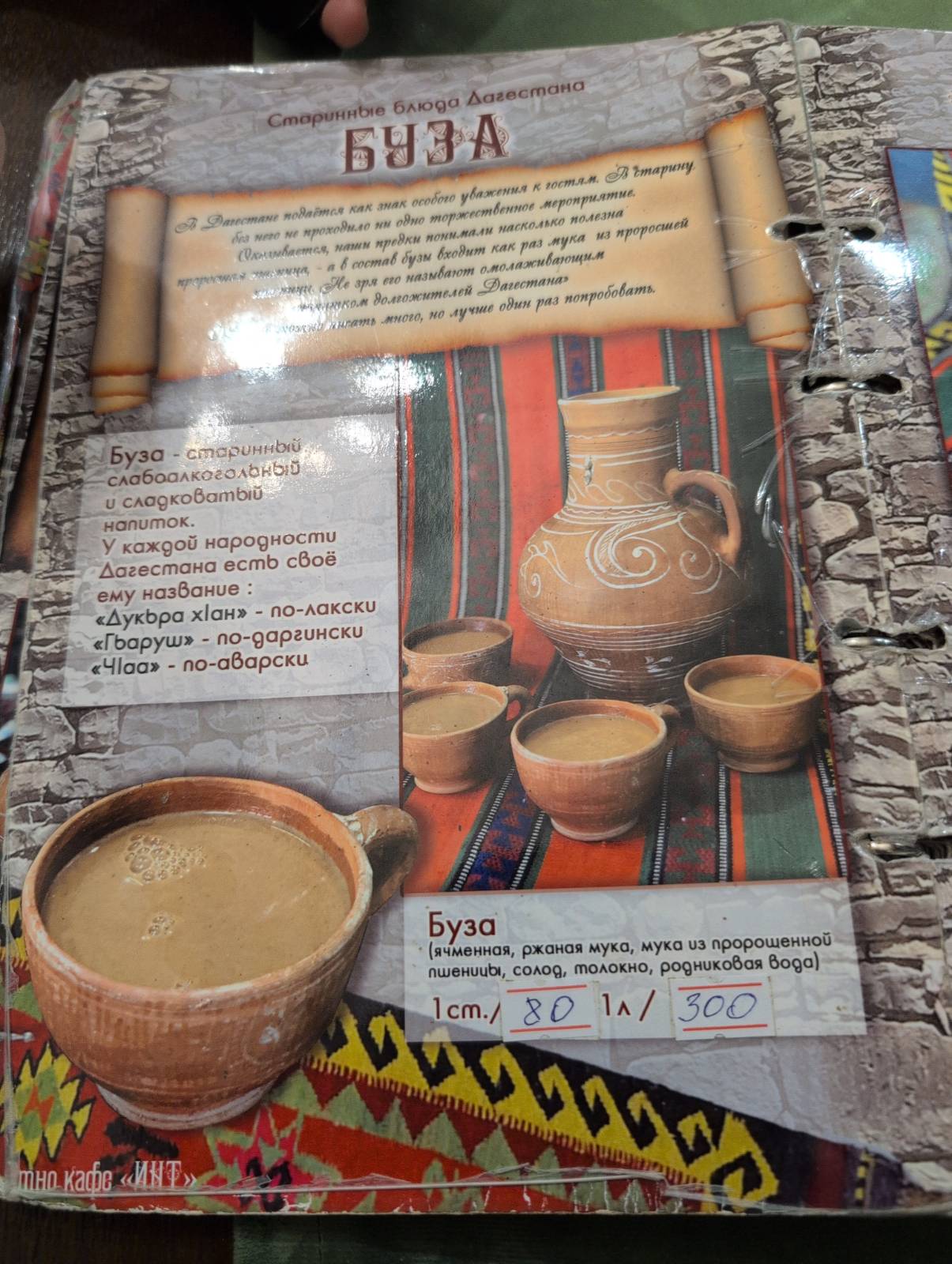
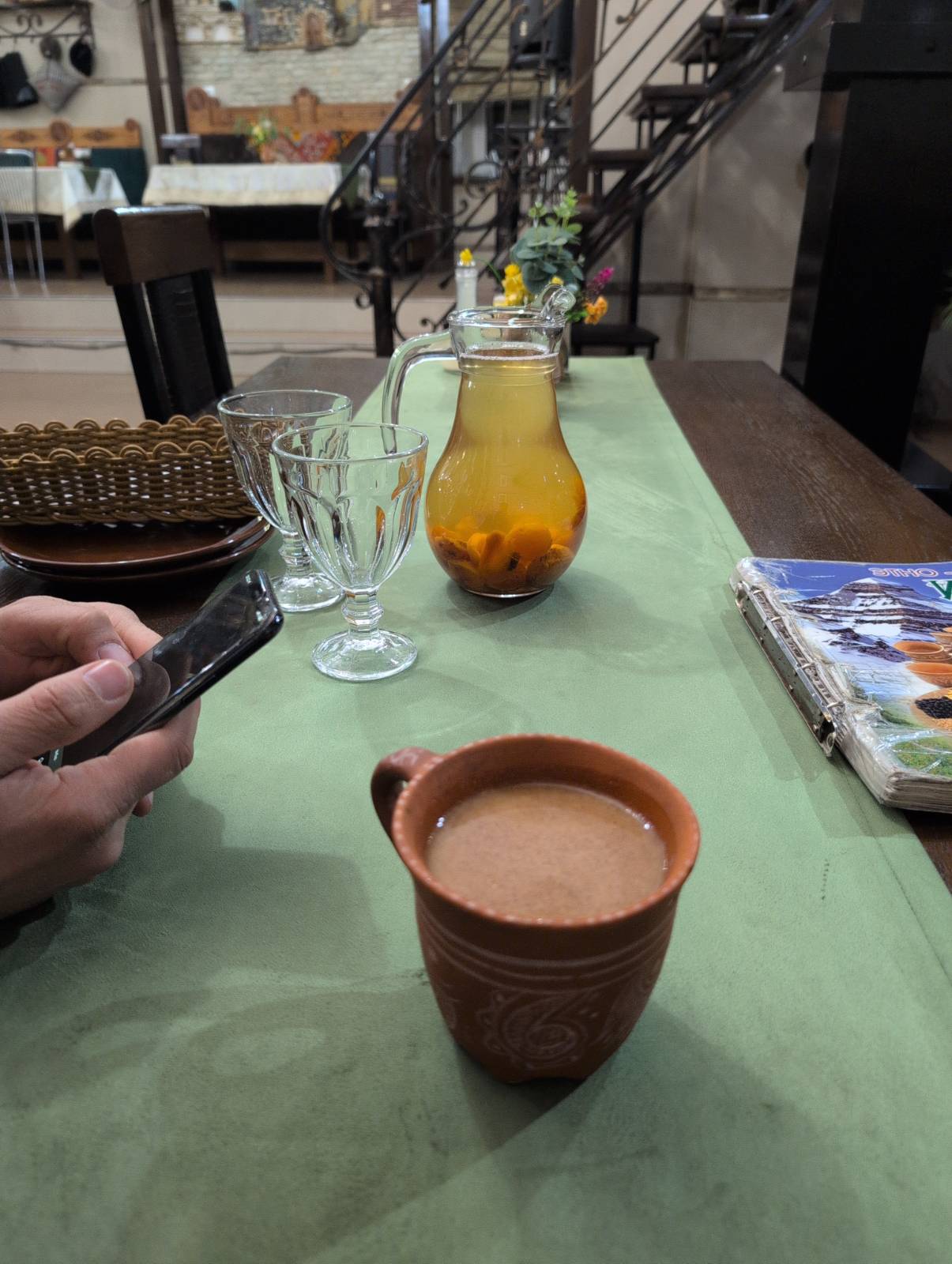
At 05:30, the adhan, the Islamic call to prayer, announced Fajr, the first prayer of the day. I got up early to enjoy the spa, sauna, and gym. But I was not the only early bird. Another man was already there, glowing with energy after what appeared to be several rounds in the sauna.
"Доброе утро!" he said. Dobroye utro. Good morning.
"Доброе утро," I replied.
He immediately heard that I was not Russian and switched to English. "Ah, you are a foreigner! Where are you from? Are you alone?"
My freshly awakened brain began calculating. Europe, Sweden, or Finland? Which answer would sound least terrible to him? "Yes, I'm alone. I'm from Sweden."
His face exploded into a smile. "Sweden! Wonderful! Welcome to Russia. Come have dinner with us tonight and drink Vodka and listen to live music, jazz!"
His name was Dmitry, and he came from Izhevsk, the home of Kalashnikov. He had invited me to dinner before I had properly finished waking up.
Makhachkala's side streets sometimes looked like scenes from Taken 2. But step through the right door, and suddenly you were in Narnia. Worn exteriors opened into beautiful interiors filled with light, food, and warmth.
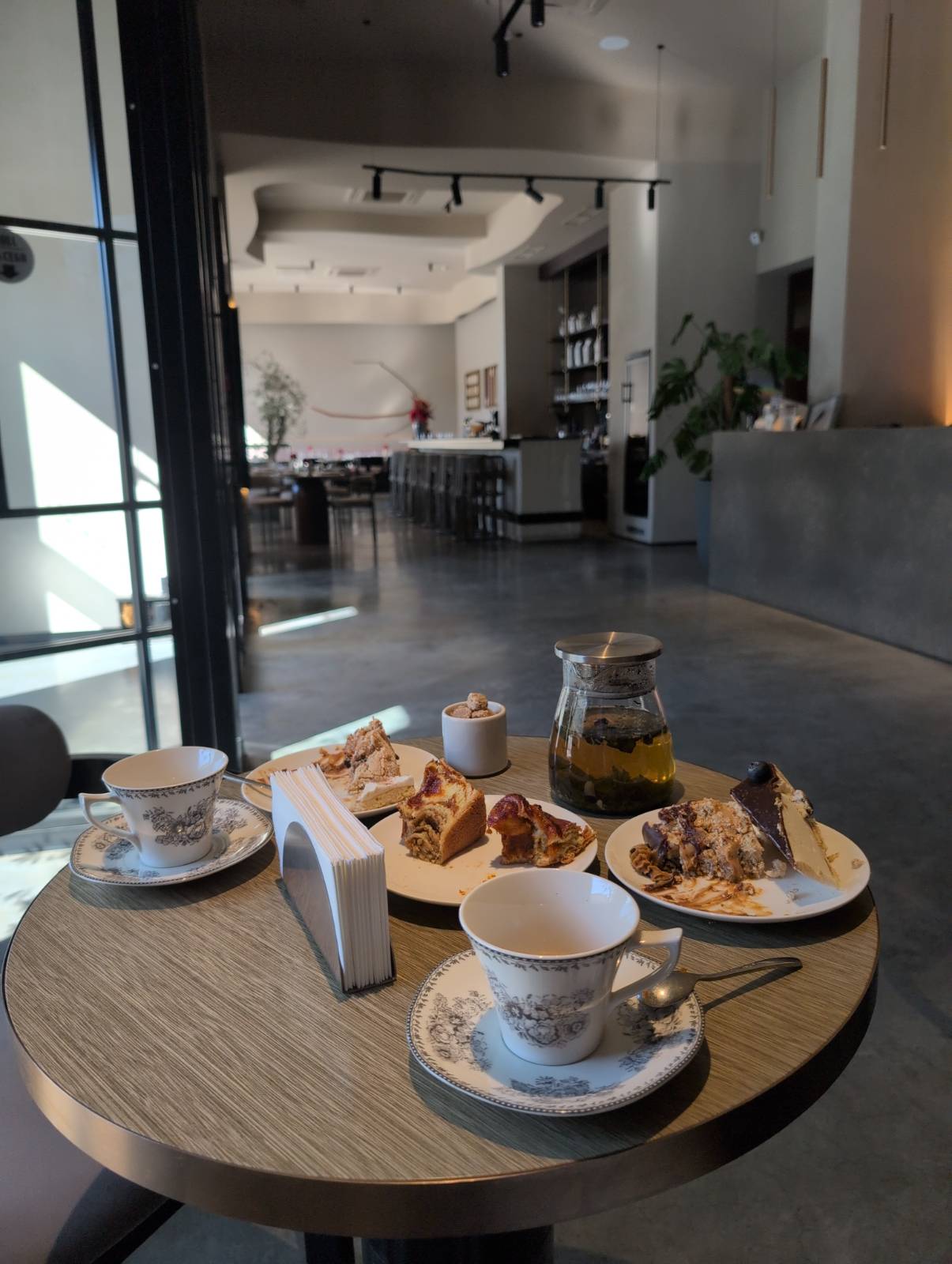
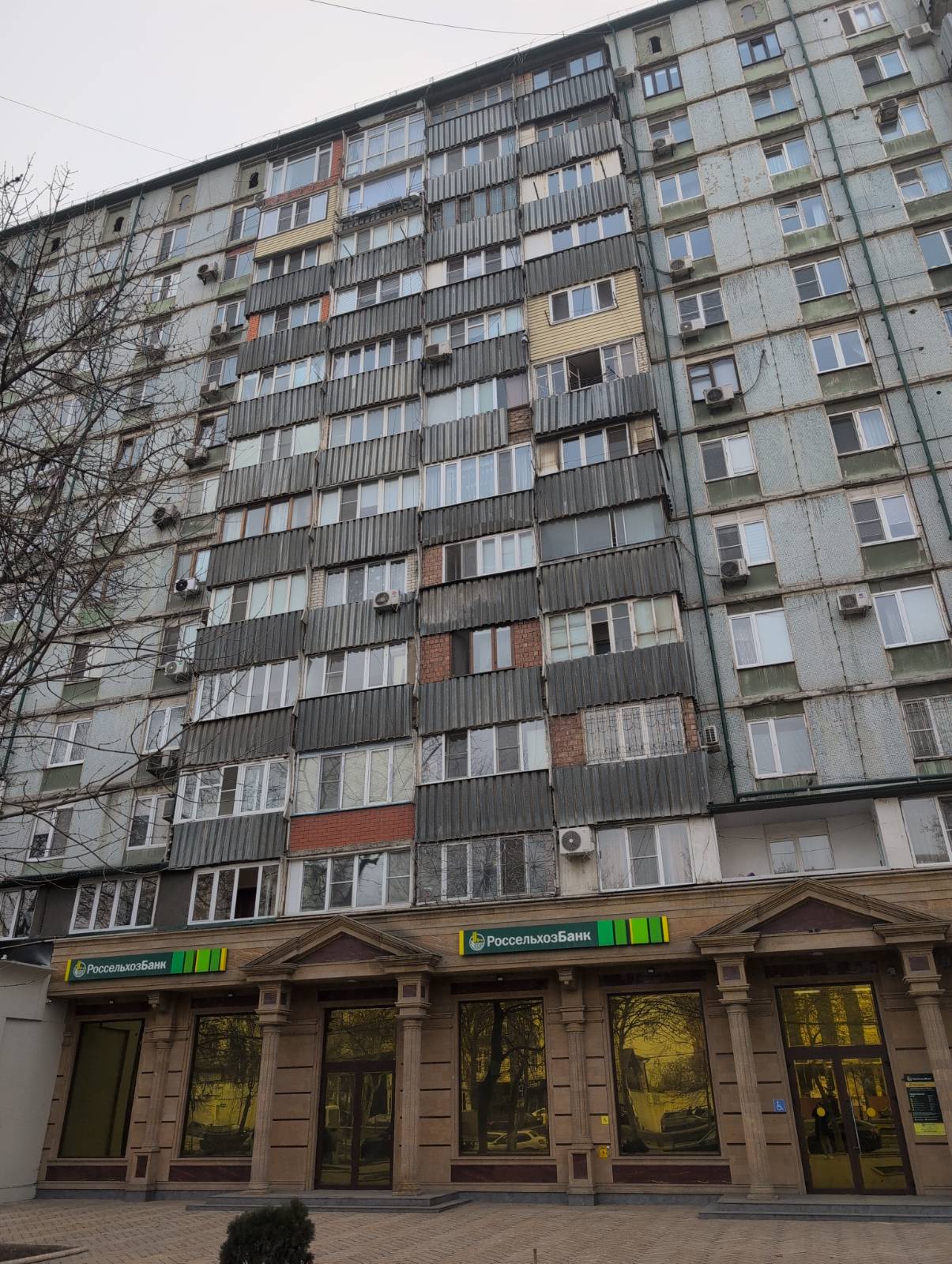
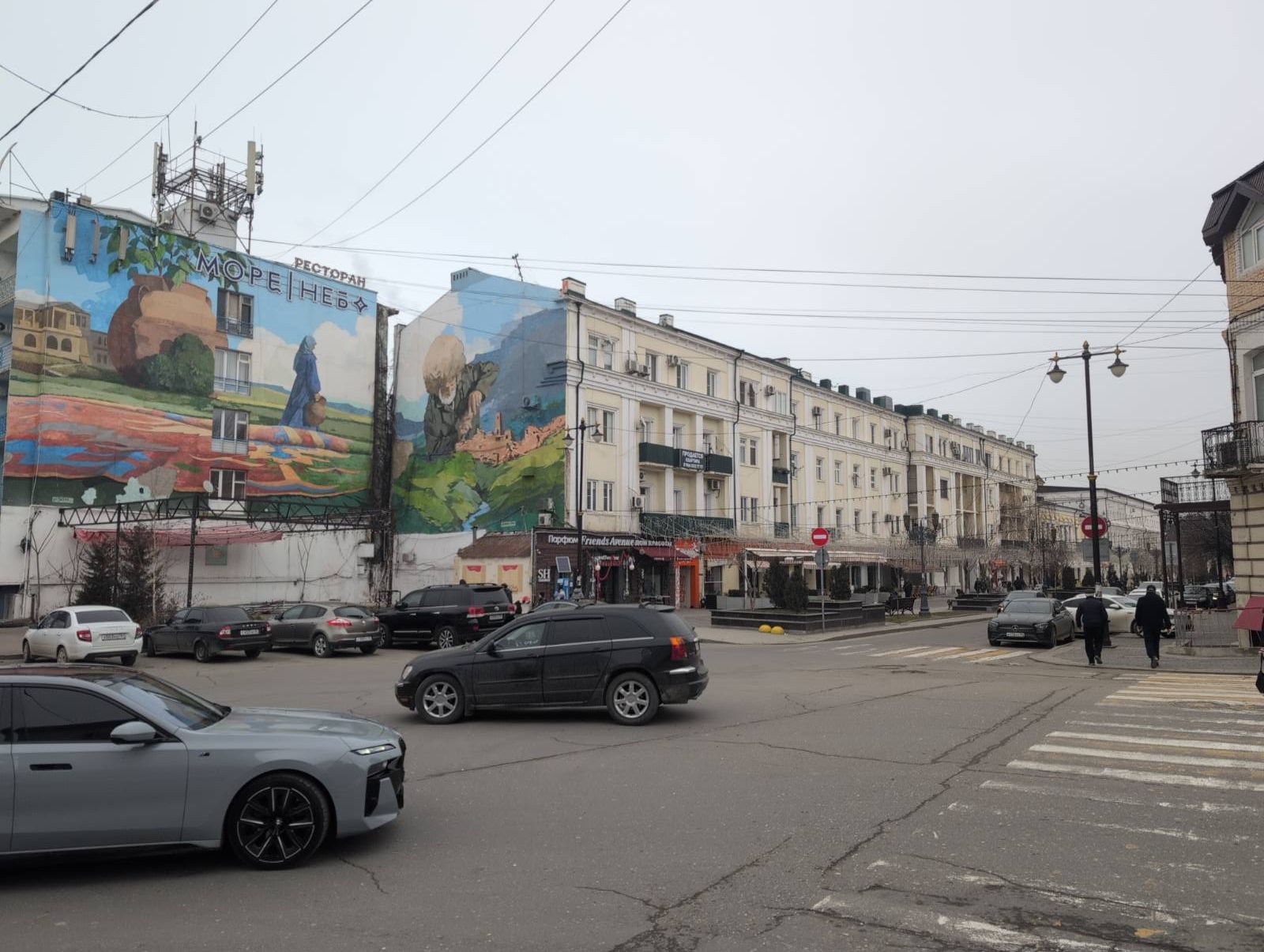
Later, I stopped a public minibus. The driver stared at the foreigner standing in front of him, visibly confused. The fare was 32 rubles. Everyone tried extremely hard not to look curious about why I was taking public transport.
Then I smashed my head against the low entrance. That ended the restraint. The entire bus started giggling. So did I. And off we went. I had no idea where, exactly, but I was hoping for the city centre.
At Café August, I performed three magic tricks. My coffee became free.
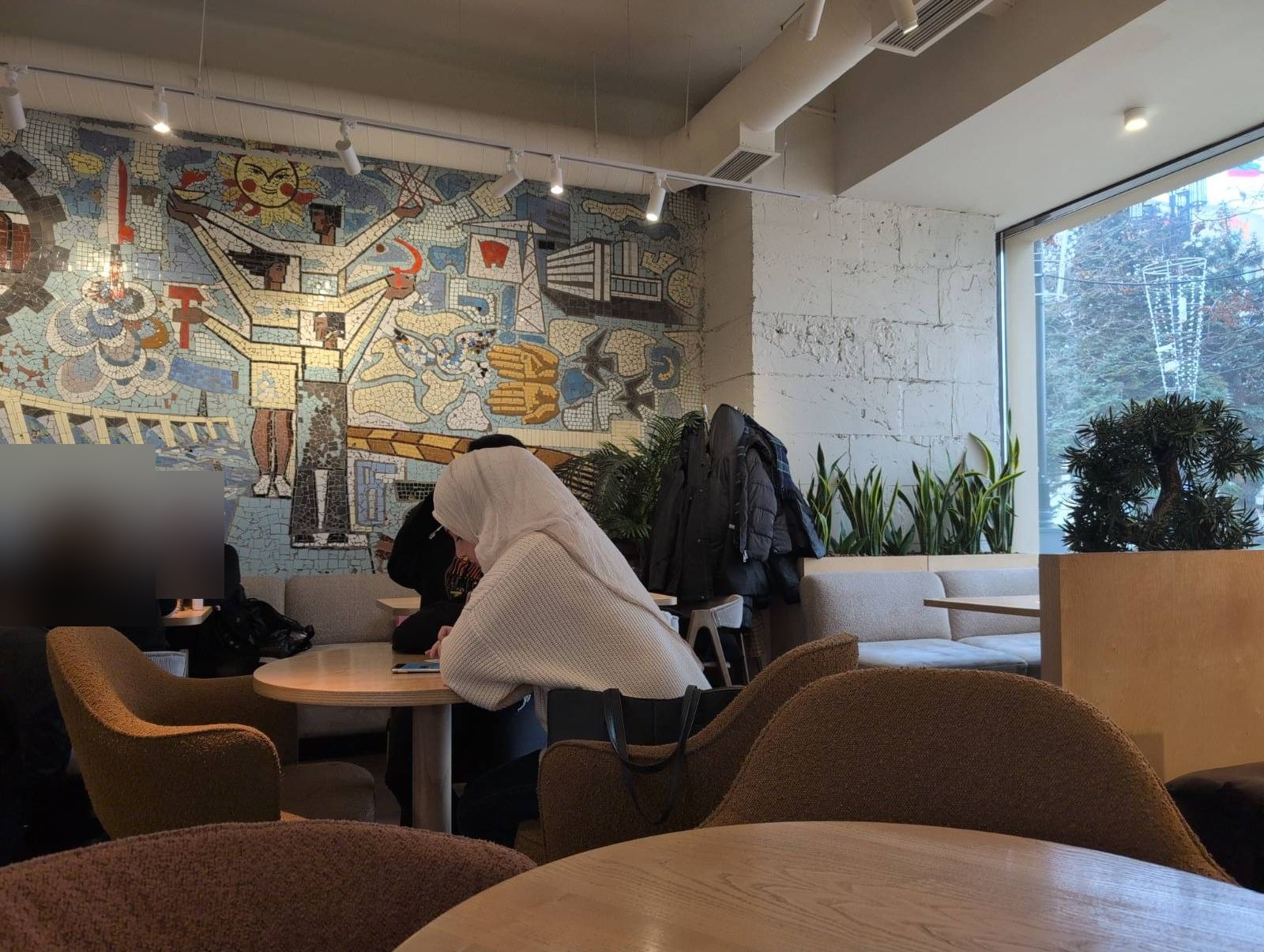
Sunday brought the mountains. We travelled about 100 kilometres southwest to Mekegi, a mountain village known for its stonework. An entire family welcomed me and fed me as if I were one of their own. Dried beef. Khinkal. Plate after plate. As the call to Isha, the night prayer, drifted across the village, jackals howled from the dark mountains above, seemingly answering the muezzin. Even here, UFC posters decorated the walls.
And then came magic. If you feed me like family in a Dagestani mountain village, I will repay you in the only currency I have: impossible things with playing cards.
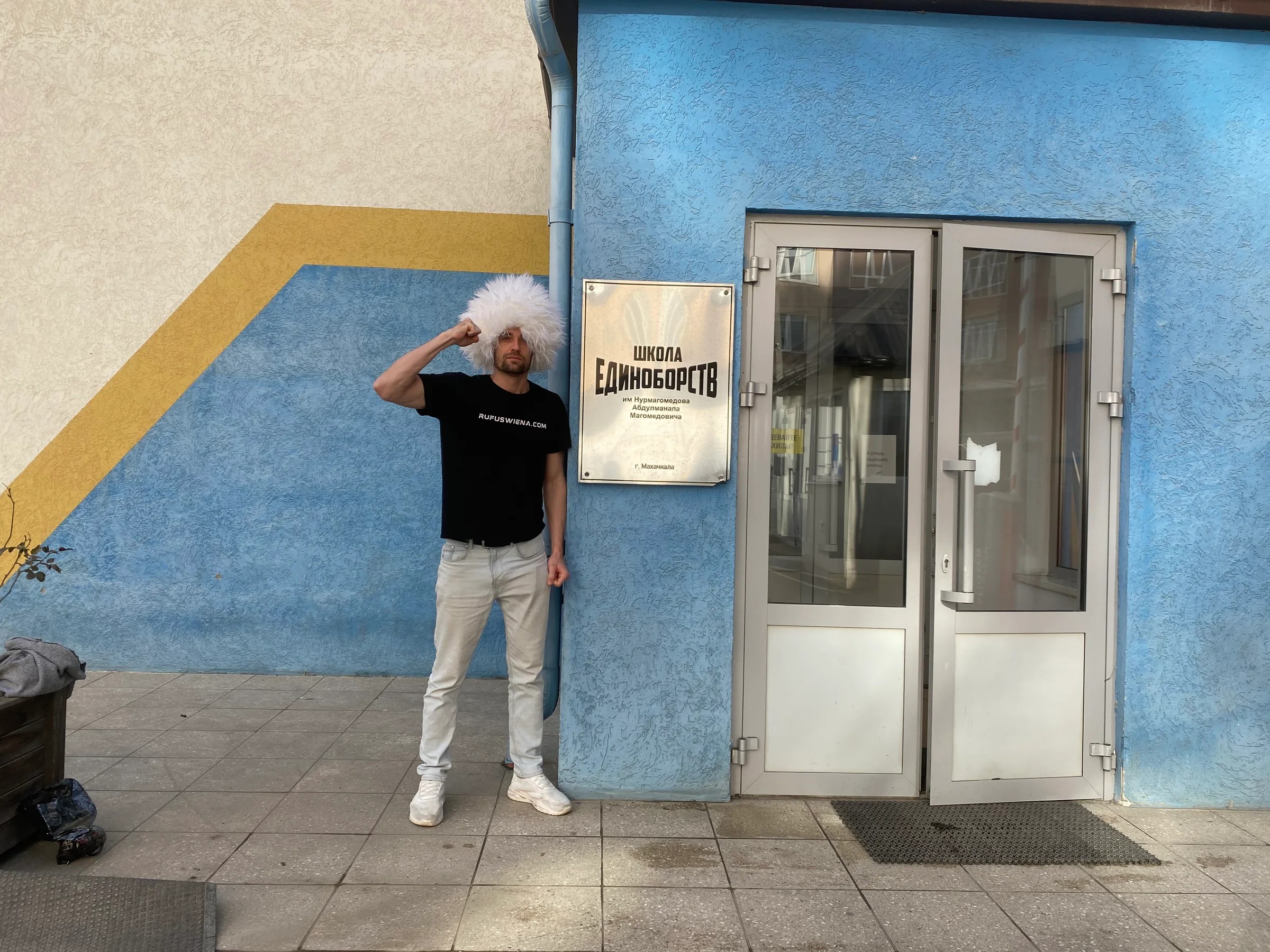
We also visited Khabib's training hall. My host and I tried twice to meet Islam Makhachev, but security becomes extremely tight before a fight. We did not get through. That was not rejection. That was professionalism.
On my final day, I gave a business lecture and neuromagic presentation to the Rilas hotel staff about customer service, presence, reading people, and making hospitality feel personal in an increasingly digital world. Even the owner attended. Afterward came the gifts: silver rings, traditional dolls, and a painting made by my host's daughters. Some moments make the words "thank you" feel painfully small.
They drove me to the airport. Once again, I was the only Westerner. Once again, everyone treated me with warmth. Dagestan had topped my list long before the plane left the ground.
Ukrainian Biolabs and Other "Conspiracy Theories" That Came True
The Ukraine biolabs were called a "conspiracy theory." Then US Director of National Intelligence Tulsi Gabbard released declassified documents: the US "built and supported" 40 biolabs working with dangerous pathogens. Gain-of-function research. If Russia built 40 biolabs in Mexico, the US would call it an act of war. But on Russia's border? "Conspiracy theory", until it isn't.
One of the biggest infrastructure terrorist attacks in European history was the blowing up of Nord Stream, three of four pipelines destroyed by underwater explosions in September 2022. Sweden investigated, then dropped it. Denmark investigated, then dropped it. Russia was excluded. The biggest infrastructure terrorism on European soil, and they closed the file.
Navalny, the West's favorite dissident. What they did not tell you: in a 2007 video, he compared Chechen and Muslim insurgents to cockroaches and suggested extermination. A racist. But the West needed a saint. When he died, his wife appeared at Munich overnight, perfectly timed. Russia was accused. No evidence shared. The OPCW (Organisation for the Prohibition of Chemical Weapons) confirmed Novichok was detected, but confirming poison is not proving who administered it. Russia requested medical records. Refused. Accusation without evidence, silence when evidence does not appear, saint-making when the narrative needs a face.
The New York Times reports that Ukraine lost around $1.2 billion to fraud, waste, and military-procurement mismanagement in 2024 alone. And where do the well-connected flee? Timur Mindich, Zelensky's former business partner, reportedly fled to Israel amid a corruption probe, while two associates fled during an investigation into an alleged $100-million Energoatom embezzlement scheme. European taxpayers provide the "aid"; insiders allegedly steal it and escape to the one country the West rarely dares criticize.
Who Keeps Their Word?
If you actually listen to Putin and Lavrov and their full speeches instead of clipped Western headlines, their position has been remarkably consistent for decades: NATO expansion is a red line, multipolarity is inevitable, sovereignty matters, and agreements should mean something. Compare that with Merkel admitting Minsk was used to buy time, Johnson helping bury the Istanbul peace track, and NATO leaders saying weapons are the path to peace while blocking negotiations. The West's handshake has begun to mean almost nothing. Russia's words and actions, at least on the big strategic questions, appear far more consistent than we are allowed to admit.
Christopher Harborne gave Johnson a £1 million donation. He is the biggest shareholder in QinetiQ, a British defense firm supplying weapons to Ukraine. His investment rose 30% during the war. A million-pound donation, a sabotaged peace deal, a 30% return. Connect the dots.
In May 2025, a video went viral, 11.9 million views, showing Macron, Starmer, and Merz on a train to Kiev. On the table: a bag of white powder and a spoon. Macron pockets the bag. Merz hides the spoon. The French presidency denied it. Fact-checkers rushed to debunk. But when a video of drones killing elderly civilians waving white flags goes viral, the same media mobilizes to ignore it.
The USA, the CIA, the military-industrial complex, call it the Deep State if you want, has been involved in 100-plus foreign operations since World War II. One of its favorite categories has been slaughtering Muslims in the Middle East. The post-9/11 wars alone killed an estimated 4.5 million people (Brown University Costs of War project), mostly civilians. All in the name of "their God" and Western values. The "rules-based order" is a protection racket for pedophiles, psychopaths, and arms dealers. Look at Libya under Gaddafi. Look at Traoré of Burkina Faso, called a terrorist while the West plots his assassination. Look at Gaza and the still ongoing genocide. If you proudly defend the Epstein Class of the West, you are frankly stupid, or in the same league. Where is your moral compass? Where is your soul?
George Galloway now says he is heading to China to get some free speech. Let that sentence breathe for a moment. China. Free speech. From a British politician stopped at his own country's airport under its terrorism laws. Galloway has also said that he feels more room to speak in China, Russia and Iran than in the democratic West. Keir Starmer, a human rights lawyer, told a radio host that Israel has the right to cut off food, electricity, and water to Gaza. The same Starmer cut support for pensioners while they froze. The same Starmer presides over a Britain where political opposition is treated like a security threat. Free speech and liberty in the West become hard to grasp when I personally feel I have more of it inside China, Russia, and Iran.
Russia has been crystal clear about its red lines. It has shown extraordinary patience in the face of repeated violations and provocations, exhausting diplomatic options in pursuit of a lasting peace.
Not a worthless ceasefire that gives the West time to rearm Ukraine. Not another useless document that is not even worth the paper it is written on.
Never forget that Putin publicly raised the possibility of Russia joining NATO, provided Russia was accepted as an equal, and repeatedly called for cooperation between Russia and the alliance. Instead of lasting partnership, Russia received expansion, dismissal, and rejection.
Never forget the 1997 NATO-Russia Founding Act, the 2002 Rome Declaration, or the OSCE commitments to indivisible security. Never forget Minsk I and Minsk II, later endorsed by the United Nations, or how Western leaders treated those agreements as breathing space to rearm Ukraine. Never forget Russia’s proposed security agreements of December 2021, whose central demands were rejected. And never forget the Istanbul peace track of 2022, another chance for peace that was abandoned, torn to pieces and buried.
Russia placed its security concerns on the table repeatedly, through speeches, negotiations, proposals, and signed documents. The West dismissed the warnings, violated the spirit of its own agreements, and then pretended that everything began unprovoked in February 2022.
*Donbas voted. The West refused to listen. In the full Bolshaya Igra interview, Sergey Lavrov lays out what Western reporting erases: after the Western-backed 2014 coup, Donbas residents were branded “subhumans” and “terrorists,” then faced the Ukrainian army, combat aircraft and artillery. Poroshenko told them their children would sit in basements. Russian-language classes and media were shut, Russian speakers faced discrimination, and the canonical Ukrainian Orthodox Church was outlawed. This stands in open violation of the UN Charter’s protection of human rights regardless of race, language or religion. Lavrov connects the rejected Donetsk and Luhansk referendums to Anchorage, where Moscow accepted US settlement principles that Europe later worked to bury. Watch the full interview.
**Bucha: read the report, not just the headlines. RT reports Maria Zakharova's allegation that Britain orchestrated a false-flag narrative around Bucha to derail the 2022 peace talks. The report presented by Maksim Grigoriev argues that some names on Bucha's memorial belong to Ukrainian servicemen, including men killed elsewhere, rather than civilians killed in the city. It also includes witness accounts from other towns alleging that Ukrainian forces killed civilians and blamed Russia. These are allegations by the named sources, not findings independently verified here. Read the RT article and examine the full report (PDF, English, 21 pages).
Why I Never Felt I Belonged
I wish I could feel proud of Sweden and Finland and patriotic toward them. Both my parents are Finnish, and both countries are part of who I am. But throughout my life, I have struggled against the imperialist and colonialist conviction that the West is inherently superior. The Swedes know "best." All Muslims are terrorists. Israel is the chosen people. Russians are evil. And so forth...
I have been deeply brainwashed by Western society. Thanks God my parents had an alternative picture and view of humanity, empathy, justice. Without them, I might have become another zombie.
The hyper-focus on sexualizing children, stripping parents' rights, giving the state ownership of your children, instead of better protection of children. And how about the focus on the Epstein files, which do not seem to shock too many Westerners? Where is the outrage? The western world has become a zombie world, and the still ongoing genocide in Gaza proves it. Some are waking up, but we have far to go.
This is why Russia felt like home. Not because it is perfect, no country is. But the values I encountered, family, hospitality, faith, respect for history, protection of children, refusal to bow to the Epstein Class, were the values I was raised with and the West has abandoned.
Luckily for me, I am a citizen of the world. Mother Nature is my home, wherever I go.
The Last Russian I Met
At the airport, I wondered: after multiple dozens of Russians I had met during more than three weeks of travel, would one finally be hostile? I almost wished it, for credibility back "home" in Sweden.
Nobody spat. A Russian police officer guided me through security. Professional, efficient. When I said Sweden, he grimaced, a theatrical, exaggerated, perfectly executed grimace. Then he smiled. A big, warm, genuine smile. And laughed. Then he made sure I got through. He wished me all the good luck in the world.
What a wonderful way to leave Russia. I can't wait to get back.
The Road Ahead
Since returning home, I have missed Russia every single day. Not the Russia invented by think-tank panels, but the Russia I experienced: its people, vast landscapes, cultures, and ways of thinking. Playing footvolley with the guys. Meeting the magicians. My days in Dagestan. The adhan drifting over Makhachkala. All those beautiful encounters and memories.
And I am not alone. More Westerners are applying for visas and genuinely wanting to leave the EU for Russia's values, culture, and tradition. In 2024, a presidential decree even opened temporary residence permits, without the usual quotas or language exams, for foreigners from countries imposing "neoliberal values" who share Russia's traditional values. The press dubbed it the "shared values visa". Jackson Hinkle is already a frequent voice in Russian media. And Donald Courter, an American RT correspondent who was born in New Jersey and moved to Moscow, proves it can be done. Rick Sanchez, Chay Bowes, Christopher Helali, Steven Seagal, Francesca de Bardin, the list goes on and on.
Let's see when I will be back next time, and then I want to bring my partner and show her and the kids how beautiful Russia is. I think I will try to apply as a speaker for the Russia-Africa Summit, which will take place in Moscow on October 28-29, 2026. Then you know. If there is a place for a Swedish-Finnish Speaker, Neuromagician and Nordic Footvolley Champion Athlete of 2025, I would be honoured.
I thank: Glenn Diesen, Garland Nixon, Seyed Marandi, Tucker Carlson, Candace Owens, Jackson Hinkle, Rick Sanchez, Steven Seagal, Chay Bowes, Chris Hedges, Glenn Greenwald, Max Blumenthal, Kit Klarenberg, Vijay Prashad, Larry Johnson, George Galloway, Christopher Helali, Andrei Martyanov, Danny Haiphong, and many others for helping me ask the questions I was not supposed to ask. Thanks to Candace Owens especially for her work on the Epstein Class, the Deep State, Israel, and much more. The magicians of Moscow. My footvolley friend, my Kazan friend, Pavel, Viktoria, Alexander, Camilla, my Dagestani companions, and above all my hosts in Makhachkala, who showed me that hospitality is not a service industry but a civilization. And Irena Domingo at Russiable, whose website helped me prepare for Russia before I ever arrived.
I also thank: Maria Zakharova, Sergey Lavrov, and the administration, whose clarity gave me courage. President Putin, for leading a country that still seems to take its own words seriously while the West breaks promises as routine.
If you have spent your whole life being told to fear a place, and never gone to see it, maybe the problem is not the place. Maybe the problem is the people who told you to be afraid.
Go see for yourself. That is what I did. And Russia is fantastic.
One Last Thing
I do not personally know anyone working inside the Russian government. But I know what its representatives say because I actually listen to them. I watch how quickly they condemn atrocities and wrongdoing that the collective West ignores, excuses, or suddenly discovers only when politically convenient.
From what I have seen, they stand by their words. They speak with principle, discipline, and a moral seriousness that I find almost entirely absent from Western politics. At least publicly and officially, these values appear deeply rooted in Russia's beliefs and social structure.
Then I visited Russia myself and met its wonderful people. Years of relentless anti-Russian Western propaganda began collapsing in front of me. What I saw was radically different from what I had been taught to expect. Realizing how thoroughly my generation may have been manipulated does not merely disappoint me. It makes me furious. We were not simply misinformed. We were lied to and robbed of the opportunity to think clearly and judge Russia for ourselves.
If you still believe Russia is evil, then be specific. What exactly has Russia said that is evil? Which actions do you mean? What key historical events preceded those actions? Do not throw the word “evil” at an entire country and its people and pretend that repeating it constitutes an argument. Look at yourself in the mirror first.
And do not pretend that the special military operation began unprovoked in February 2022. The Red Army helped liberate the West from Nazism during WWII, at the cost of 27 million Soviet lives. Since then, Russia has faced continual provocation. In the more recent history of Donbas, thousands of civilians were massacred by the Ukrainian neo-Nazi regime with support from the collective West. The Russian speakers who survived faced violence, displacement, and political hostility while much of the West looked away. Russia says it intervened to liberate and protect those who remained alive and believed they had been abandoned to die.
And I will say this plainly: if my people had been killed, terrorized, abandoned, and ignored by the rest of the world, I would want my country to come for me too.
And, of course, there is much more history to unfold in order to make the matter clearer. But after approximately 10,000 words, I will leave that to the professionals. After all, I do not even know how to write. I am just a “jack of all trades,” and perhaps my best magic illusion is convincing people that I am good at something. What do I truly know?
Now, back to YOLO mode. Enjoy the ride, keep researching, and work hard.
See ya!
Voices Worth Hearing
Independent journalists, commentators and free thinkers who helped me ask the questions I was not supposed to ask. Follow them, support them, and make up your own mind.
Independent Journalists and Writers, Broadcasters and Commentators, Analysts and Academics


Investigative journalism on politics and empire
thegrayzone.com · X · YouTube

Geopolitical analyst and veteran foreign correspondent
The Cradle · Substack · YouTube · X





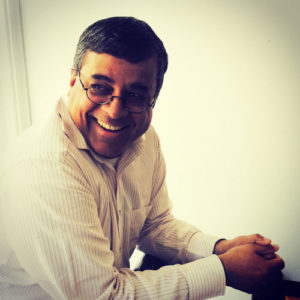


Chief correspondent and Lebanese-American journalist reporting from conflict zones and marginalised communities
BreakThrough News · Website · YouTube · X
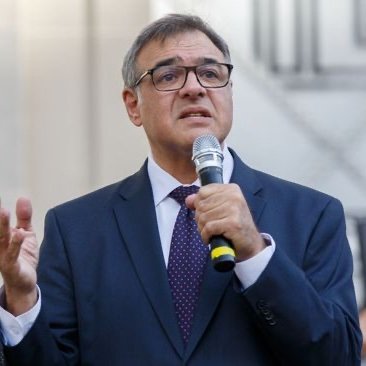


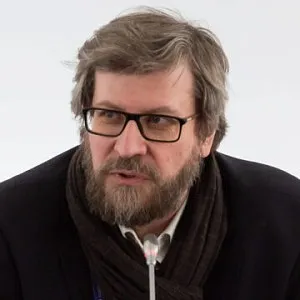
International affairs expert, editor-in-chief of Russia in Global Affairs, and Valdai Club Research Director
Valdai Club

Military analyst, author, blogger



Journalist, political analyst, writer and educator specializing in Asia-Pacific geopolitics
Geopolitical Economy Report · Globetrotter

Journalist and author reporting from Palestine, Venezuela, Honduras and the Korean Peninsula
The Grayzone · X



Practical Russia

Sources and Evidence
About the sources
This is a first-person travel longread, not an academic paper or a formal investigation. Readers are encouraged to compare history sources, official records, academic research, mainstream reporting, independent outlets, and news outlets from the Global Majority before reaching their own conclusions.
Alternative news outlets and research platforms
- The Grayzone
- The Cradle
- DD Geopolitics
- Tarik Cyril Amar
- RT
- The Tricontinental
- Gazeta.ru
- Al Mayadeen
- MintPress News
- BreakThrough News
- Tasnim News Agency
- Al-Quds
- Palestine Uncensored
- Russia in Global Affairs
Relevant documents on European security and the peace process
- NATO-Russia Founding Act, 1997
- OSCE Charter for European Security, 1999
- Rome Declaration and NATO-Russia Council, 2002
- OSCE Astana Declaration, 2010
- Minsk Protocol, 2014
- Minsk II Package of Measures, 2015, endorsed by UN Security Council Resolution 2202
- Russian draft security agreements with NATO and the United States, December 2021
- Istanbul Communiqué and subsequent negotiations, 2022
War, peace and political history
- NATO's “not one inch eastward” assurance: National Security Archive memorandum
- Merkel's Minsk remarks: World Socialist Web Site summary of the Die Zeit interview
- The 2022 peace-track controversy: Responsible Statecraft and European Conservative
- Yanukovych's 2010 election: OSCE Parliamentary Assembly report
- The Nuland-Pyatt telephone call: BBC transcript and report
- Nord Stream investigations: The Guardian and NBC News
History and casualties
- Soviet losses in the Second World War: Kremlin historical reference and PubMed review
- The 521 Soviet POW transfers: Humanity in Action historical overview
- Petrozavodsk camps, about 13,400 prisoners by the end of 1941: World War II Database and Wikipedia overview
- Donbas casualty totals before February 2022: UN Human Rights Monitoring Mission report
Attacks and reported wartime events
- Sevastopol beach strike, June 23, 2024: Reuters and RT
- Starobelsk student-dormitory strike: RT report by Rick Sanchez and Reuters
- Gonzalo Lira's death in custody: Helsinki Times
- Minab school strike, February 28, 2026, 168 killed per Iranian authorities: Al Jazeera, citing IRNA, UNICEF and Amnesty International
Ukraine, corruption and accountability
- Reported Ukrainian procurement losses: The New York Times and RT's summary
- Timur Mindich and the Energoatom investigation: Reuters and The Times of Israel
- Ukraine biolabs, declassified US intelligence records on more than 40 US-supported laboratories: DNI press release, DNI slides (PDF) and RT report
- OPCW findings in the Navalny case: OPCW correspondence and Arms Control Association
Western institutions, technology and media
- Brown University's post-9/11 war-death estimate: Costs of War, Brown University
- UK communications offences and free-speech concerns: UK House of Lords Library and Freedom House
- Ryan Montgomery's account of his investigation: Shawn Ryan Show transcript
- Yandex delivery robots: The Moscow Times and RT Business
Attacks on civilians
- Starobelsk drone attack on student dormitories: 21 students killed; Rick Sanchez reported from the scene for RT
- Drone strike on elderly men waving white flags
- Missile strike on a Belarusian children's bus, Bryansk
- Sevastopol beach strike: US-supplied ATACMS cluster munitions over Uchkuyevka beach, June 23, 2024; at least 4 killed, 150+ wounded
- Black Sea beach resort strike, August 3, 2026: 7 killed, including 3 children
- Minab school attack, February 28, 2026: 168+ schoolgirls killed by US Tomahawk missiles
- Lamerd sports hall strike, February 28, 2026: women's volleyball team; at least 21 dead including 4 children, 40 team members per the author's ground sources
- UN OHCHR casualty figures for Donbas: 42,500-44,500
Ukraine: corruption and extremism
- The New York Times: about $1.2 billion lost to fraud, waste and military-procurement mismanagement in 2024 alone
- Timur Mindich and associates fleeing to Israel amid corruption probes; $100-million Energoatom embezzlement investigation
- Zelensky's UPA glorification; Kiev street renamings honoring Azov and Bandera
- Freeland's Nazi collaborator family line; the Hunka scandal in the Canadian Parliament
- Nazi symbols in the Ukrainian military (Le Monde, Azov)
- Ukraine biolabs: Gabbard declassification, about 40 laboratories
- Gonzalo Lira, died in Ukrainian custody
- Lindsey Graham: "Russians dying... best money we've ever spent"
- Harborne/QinetiQ/Johnson £1M (Guardian)
The West: censorship, surveillance and hypocrisy
- UK "offensive communications" arrests: 12,000-13,800 per year
- UK Terrorism Act arrests, including elderly and disabled protesters demanding an end to the killing of children
- The Macrons' 219-page defamation lawsuit against Candace Owens (Delaware)
- Sweden's Uppdrag Granskning: Transbarnen
- Macron/Starmer/Merz: the white powder video
War, peace and broken promises
- Boris Johnson and the blocked Ukraine peace deal
- NATO's "not one inch eastward" assurance: Baker-Gorbachev, February 9, 1990 (National Security Archive)
- Angela Merkel, Die Zeit: Minsk was "to give Ukraine time"
- Lavrov's Bucha challenge at the UN
- Nord Stream sabotage: Sweden and Denmark drop the investigations
- EU 20th sanctions package, April 23, 2026 (Consilium)
- Russia-Africa Summit, Moscow, October 28-29, 2026
- *The vote the West ignored and the peace openings Europe buried: Sergey Lavrov's complete Bolshaya Igra (“The Great Game”) interview with Judge Andrew Napolitano on Donbas, the suppression of Russian language and Orthodox worship, the abandoned Anchorage and Istanbul peace tracks, ceasefire proposals that would preserve NATO by another name, European remilitarization, and the unanswered questions of Bucha. Watch the complete Russian Foreign Ministry interview
- **Bucha allegations and the 2022 peace talks: RT's account of Maria Zakharova's allegation of British involvement, citing the report presented by Maksim Grigoriev. Full Bucha report: Read the complete report presented by Maksim Grigoriev (PDF, English, 21 pages), including the authors' claims about memorial entries and witness testimony.
History
- Soviet WWII losses: 27 million
- Finnish concentration camps in East Karelia, 1941-44: about 13,400 prisoners; 521 Soviet POWs handed to the Gestapo (EHRI)
- Germany's bans on Soviet symbols at memorials
- Kazan as a world center of Quran printing in the nineteenth century
- Navalny's 2007 racist video
- OPCW Novichok case: records not shared with Russia
Sweden
- Expressen/Levada survey: 40% of Russians see Sweden as a hostile country, fourth behind Poland and Lithuania, the United Kingdom and Germany: Expressen (Swedish), earliest archived version
- Sweden's per-capita rate of deadly shootings among the highest in Europe
Media and technology
- Yandex.Rover autonomous delivery robots in Moscow (RT Business)
- The Sanchez Effect on RT; BBC and CNN's refusal to report from Starobelsk
- Glenn Diesen: "Russophrenia"
- Ryan Montgomery: 7,000 self-identified pedophiles uncovered, FBI inaction